Location Anzac Cove
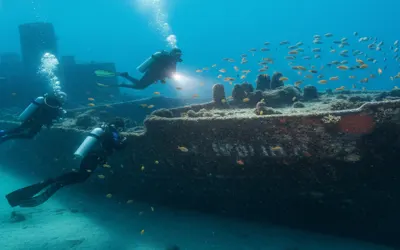
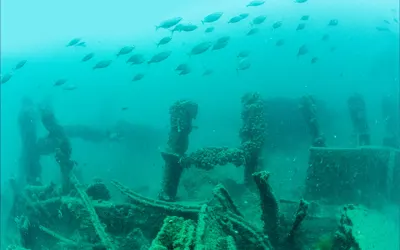
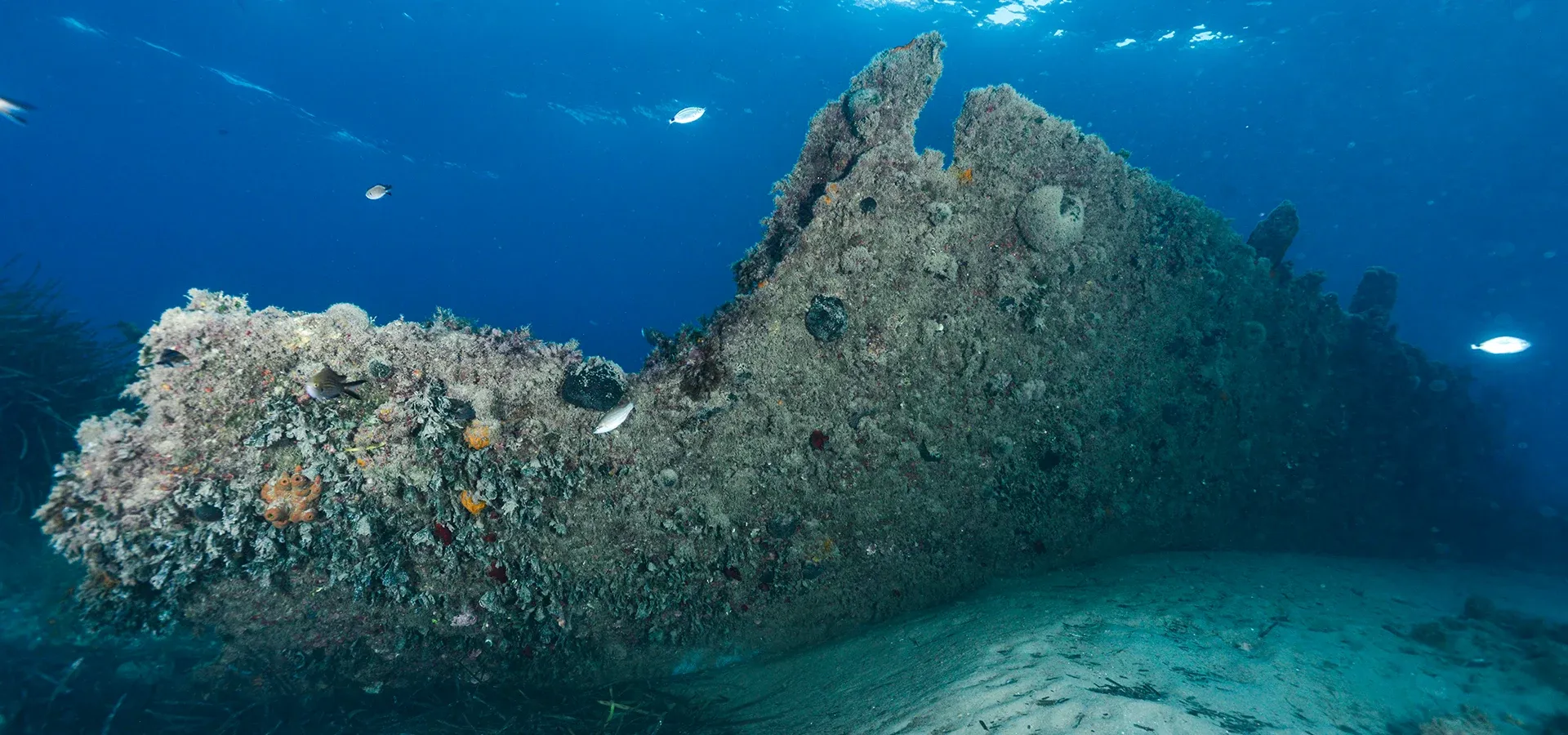
Constructed in 1865 as a steam-powered passenger vessel, the SS Milo was requisitioned by the British Admiralty upon the outbreak of World War I. Throughout the conflict, the ship was deployed for the logistical transport of supplies to the troops stationed at Anzac Cove within the Arıburnu sector.
Details
Location Ertuğrul Cove
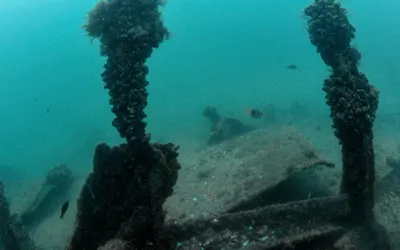
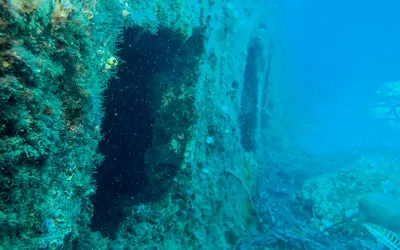
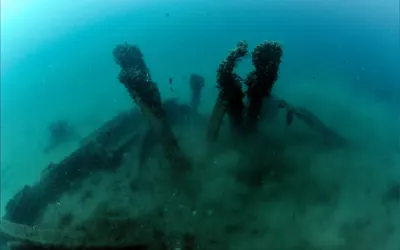
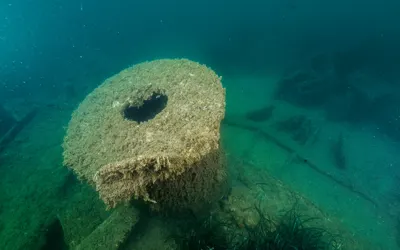
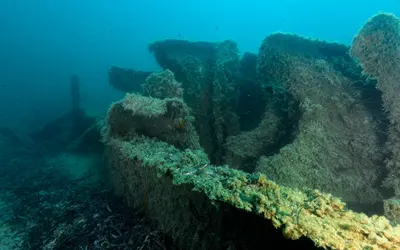
The Massena, named after Andrea Massena, one of the marshals of the French Revolution, carried out its final mission to ensure that ships could safely approach the shore during the evacuation of Çanakkale by the Allied forces. Saghalien, a French passenger ship of the Senegal class, passed through the Dardanelles in August 1914 on a mission to evacuate French citizens from İstanbul prior to the Gallipoli Campaign.
Details
Location Tekke Cape
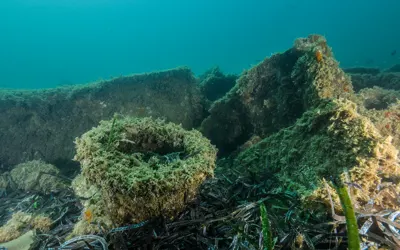
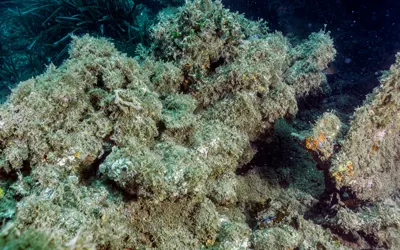
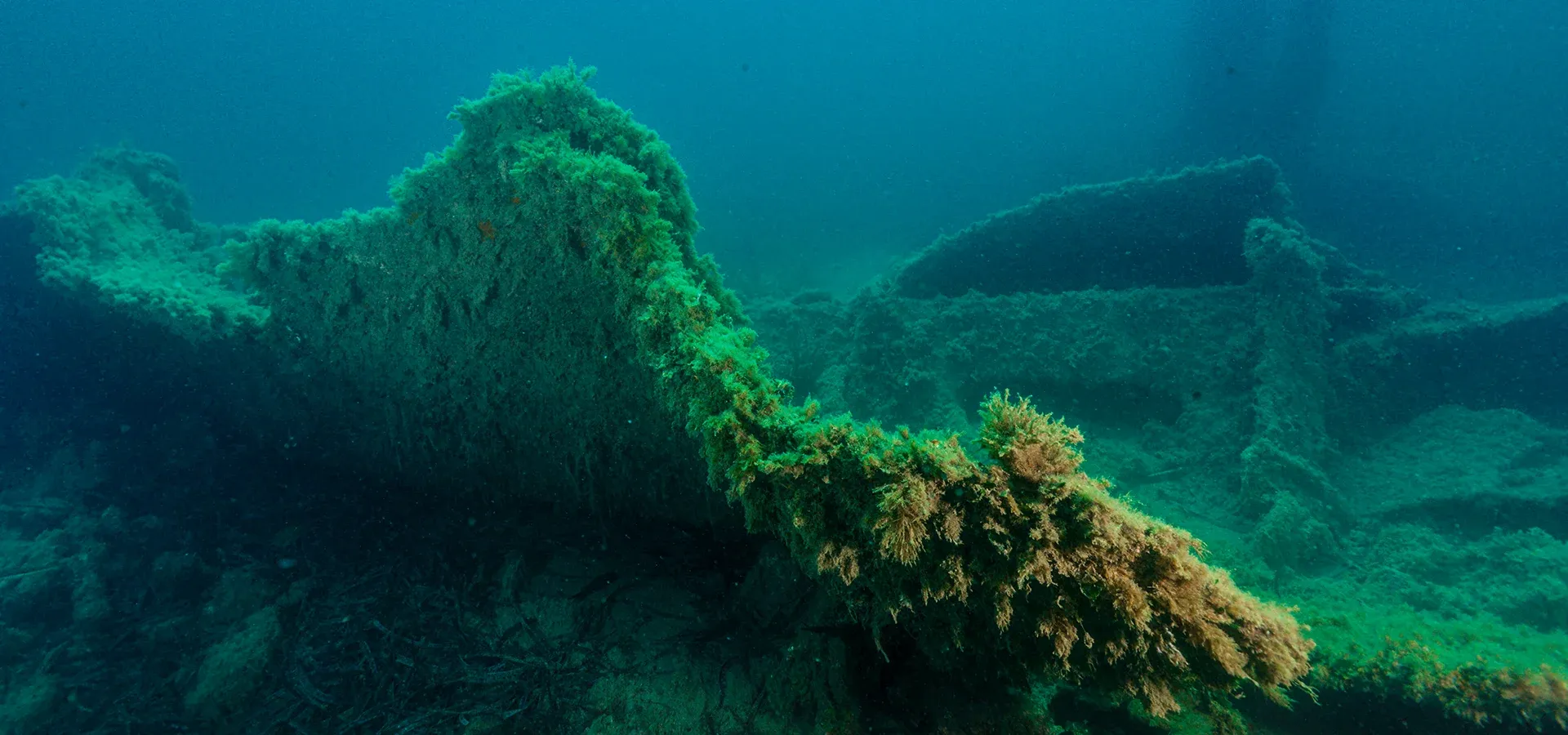
The ship that took on the task of transporting the Italian army to Tripoli during the Italo-Turkish War was purchased by the British Admiralty in 1915 and sent to Gallipoli. This Italian-flagged steam cargo and passenger ship carried out its final mission on behalf of England in Gallipoli during World War I.
Details
Location -
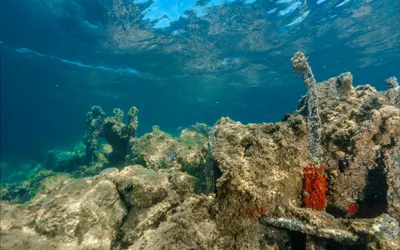
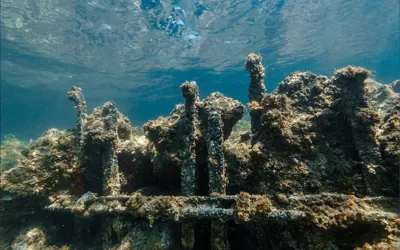
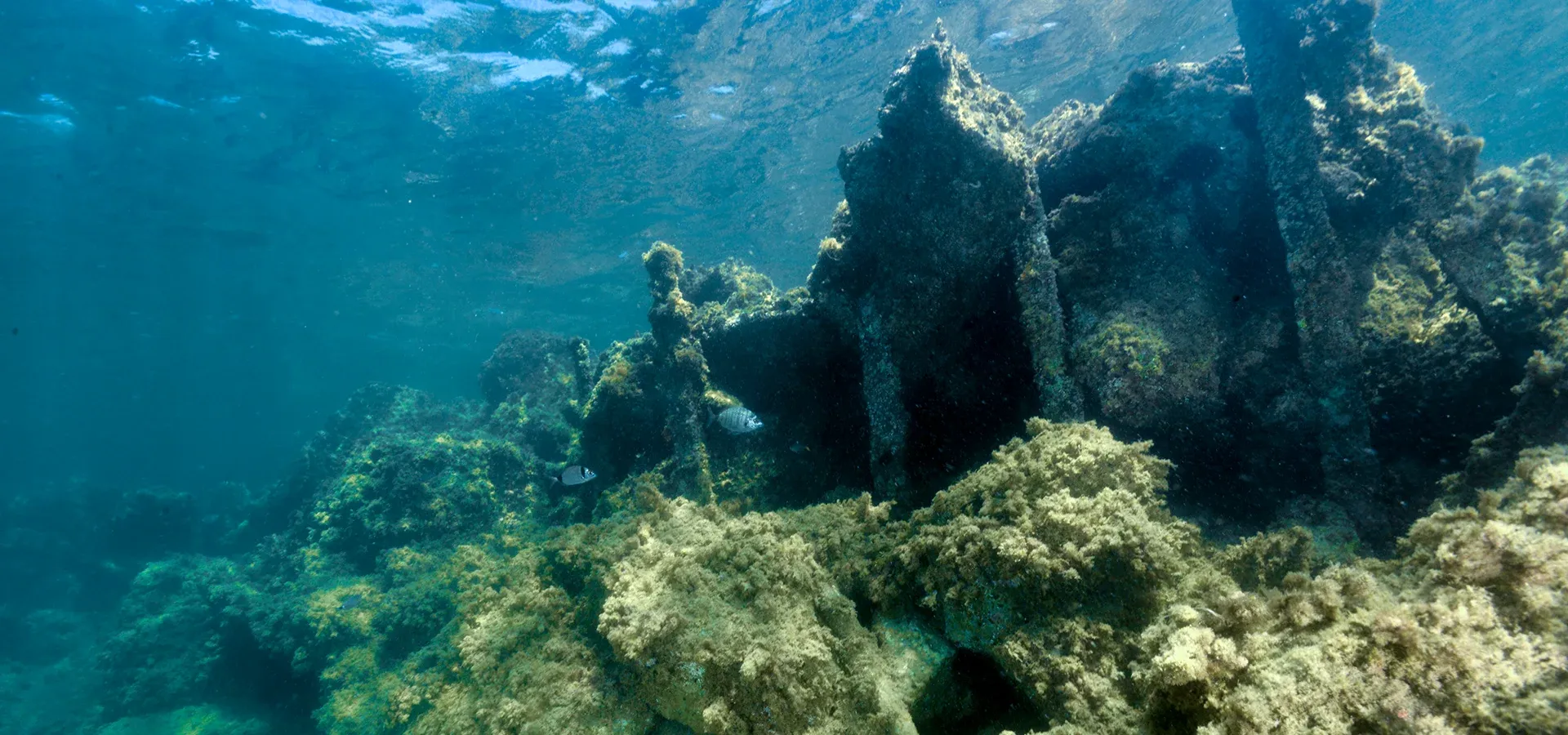
The Tuzla Ferry is a side-wheel steamer that carried wounded soldiers, ammunition, and supplies to the Gallipoli Front. Ammunition and supplies were transported from Akbaş Port, which welcomed ships coming from the Marmara Sea, to the front. After loading its cargo at Akbaş Port, the Tuzla Ferry was torpedoed and sunk on August 30.
Details
Location Canakkale
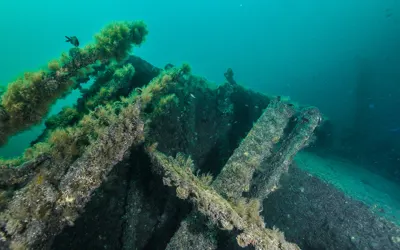
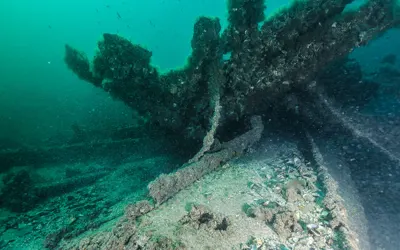
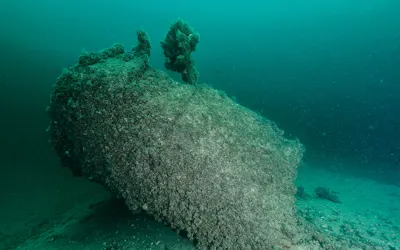
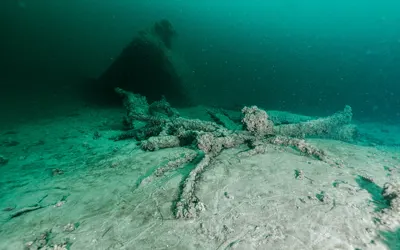
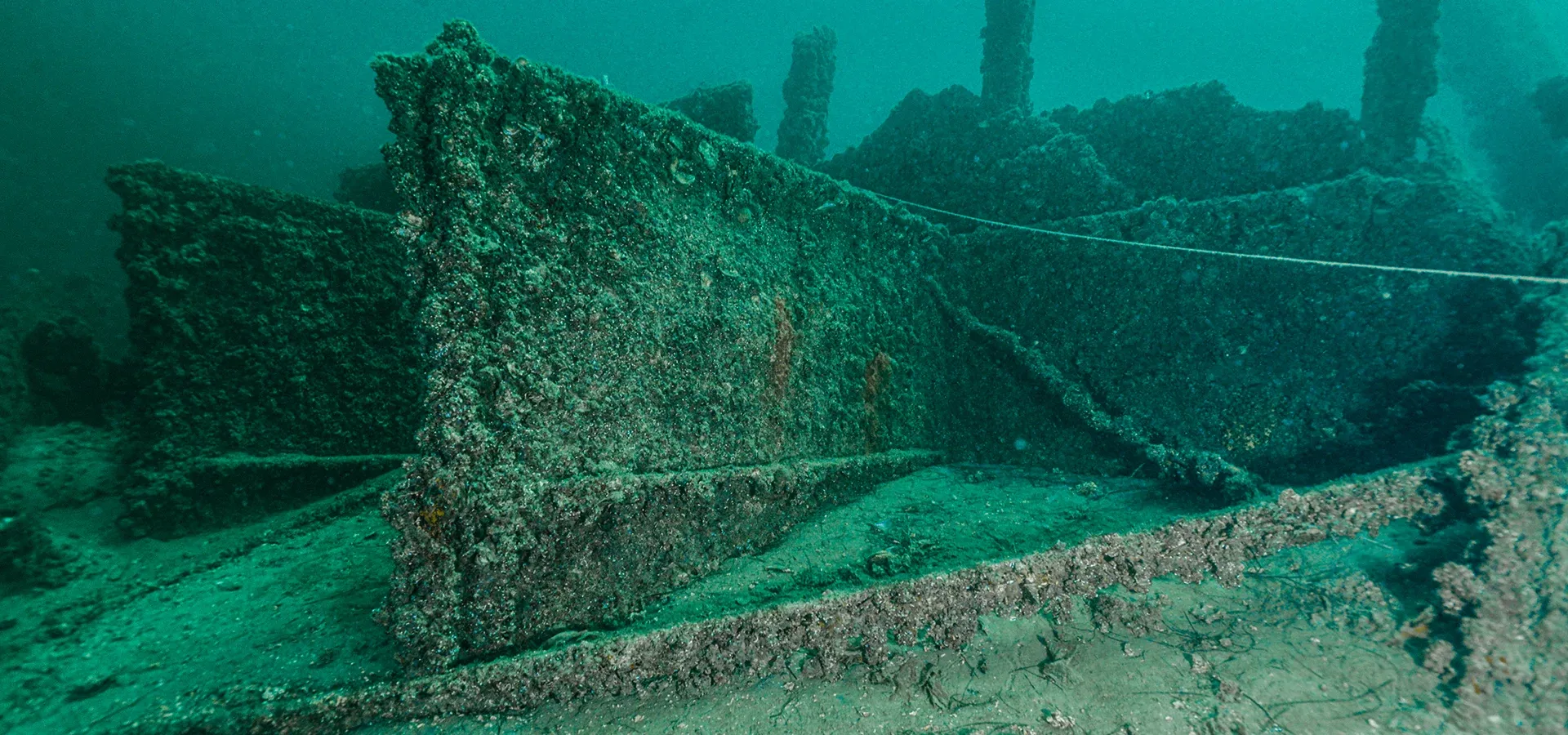
The largest of the Ottoman battleships, Mesudiye, underwent a major modernization in Italy between 1899 and 1904, and its armament and propulsion system were renewed. The Mesudiye battleship sank on December 13, 1914, while anchored in shallow water at Nara Point, defending the entrance to the Dardanelles Strait, due to a torpedo from HMS B11.
Details
Location Suvla
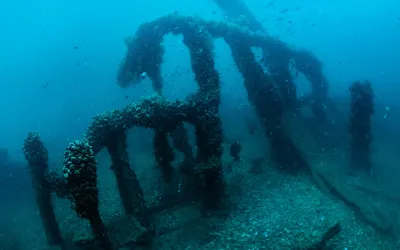
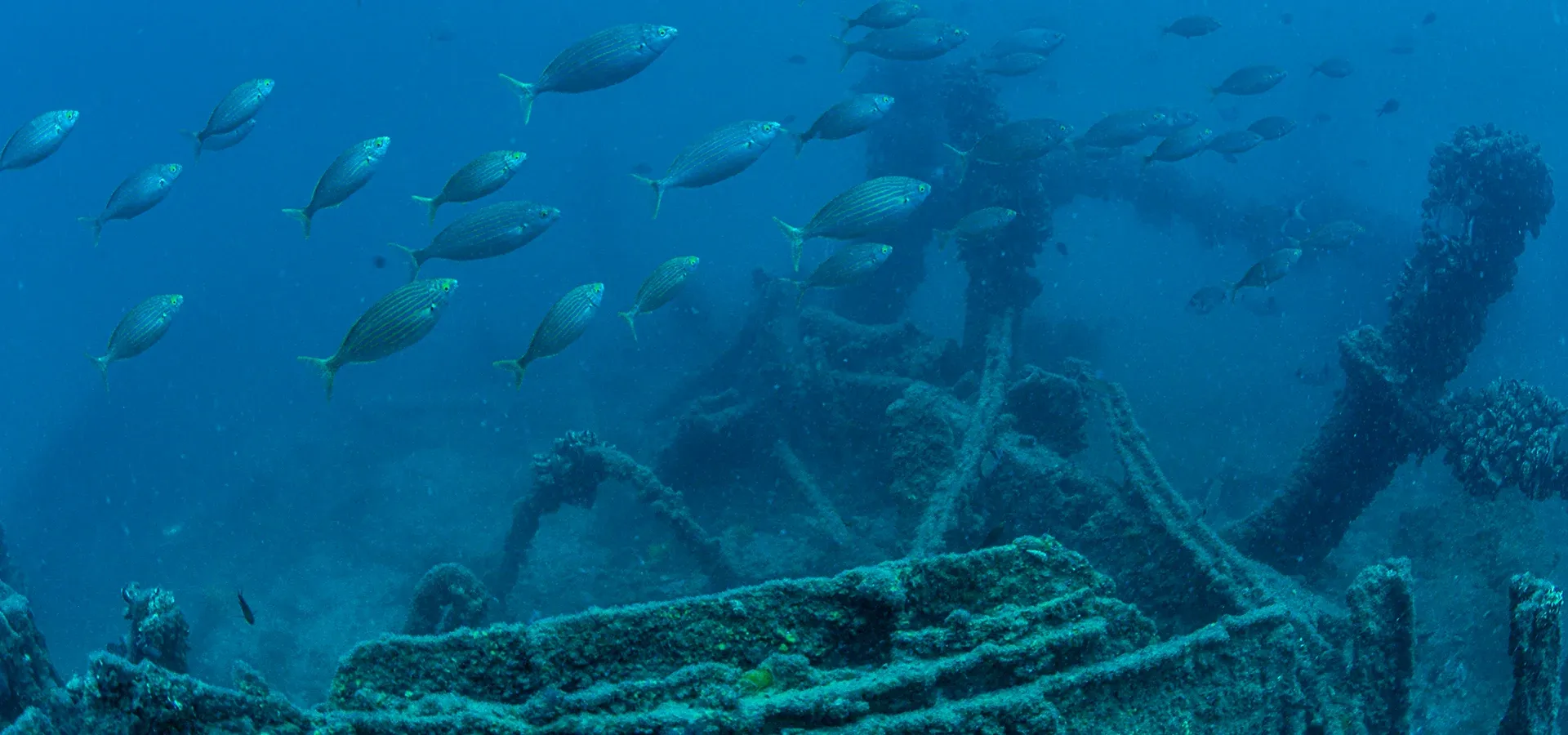
During the Battle of Gallipoli, HMS Louis, which was damaged by colliding with a tugboat, was dragged ashore and became unusable as it broke apart during the salvage operations.
Details
Location Arıburnu
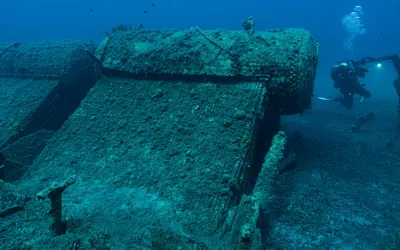
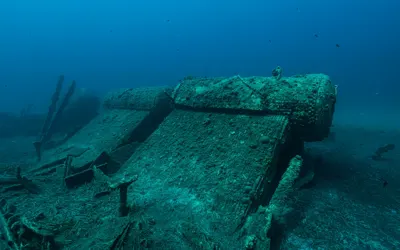
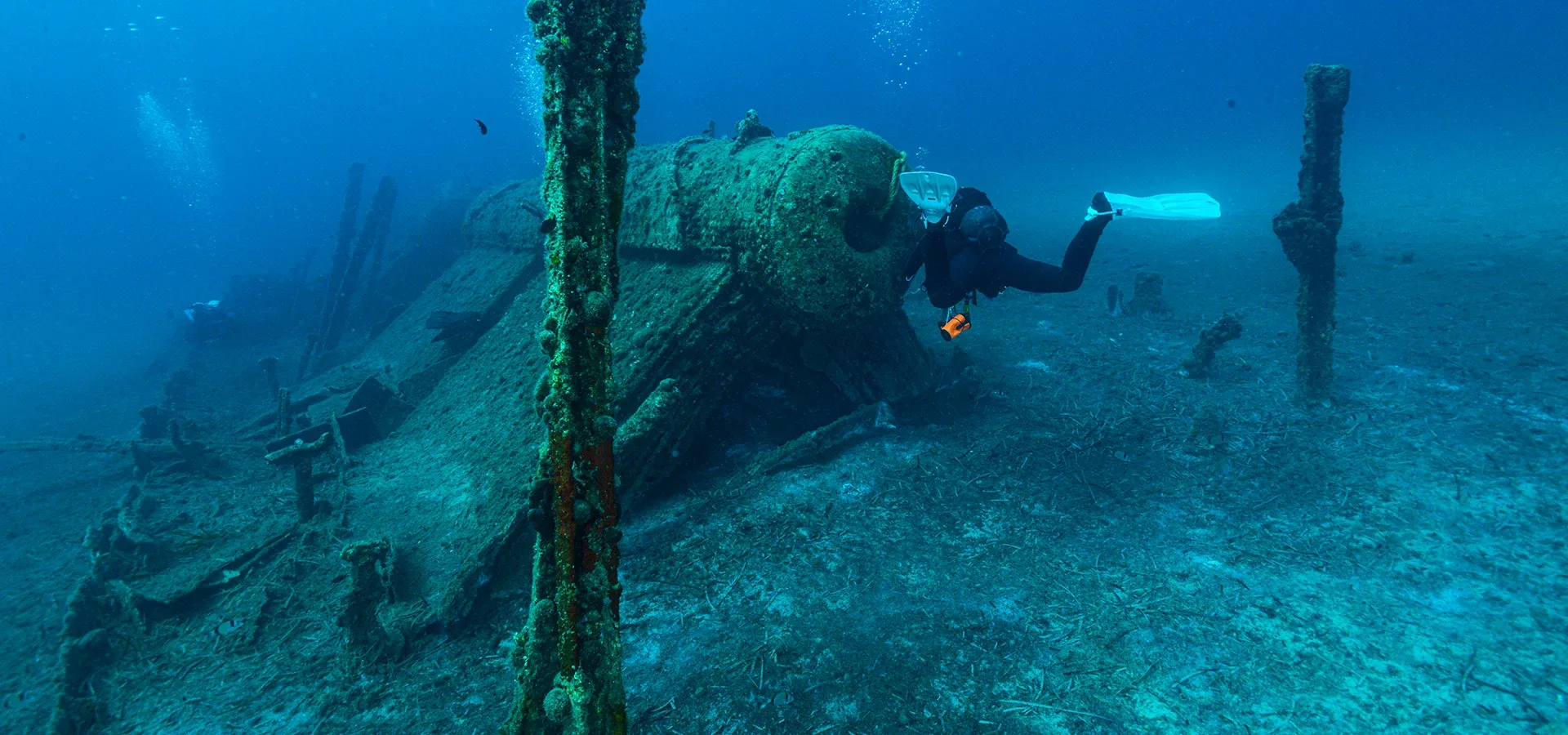
Lighter ships, also referred to as Mule Barge, were used for the transportation of goods and animals between the shore and ships. During the withdrawal they carried out from Arıburnu in December 1915, the Allies either destroyed or sank items they could not take with them, such as equipment, ammunition, and supplies. It is believed that the lighter located at Arıburnu was also sunk during this withdrawal.
Details
Location Seddülbahir
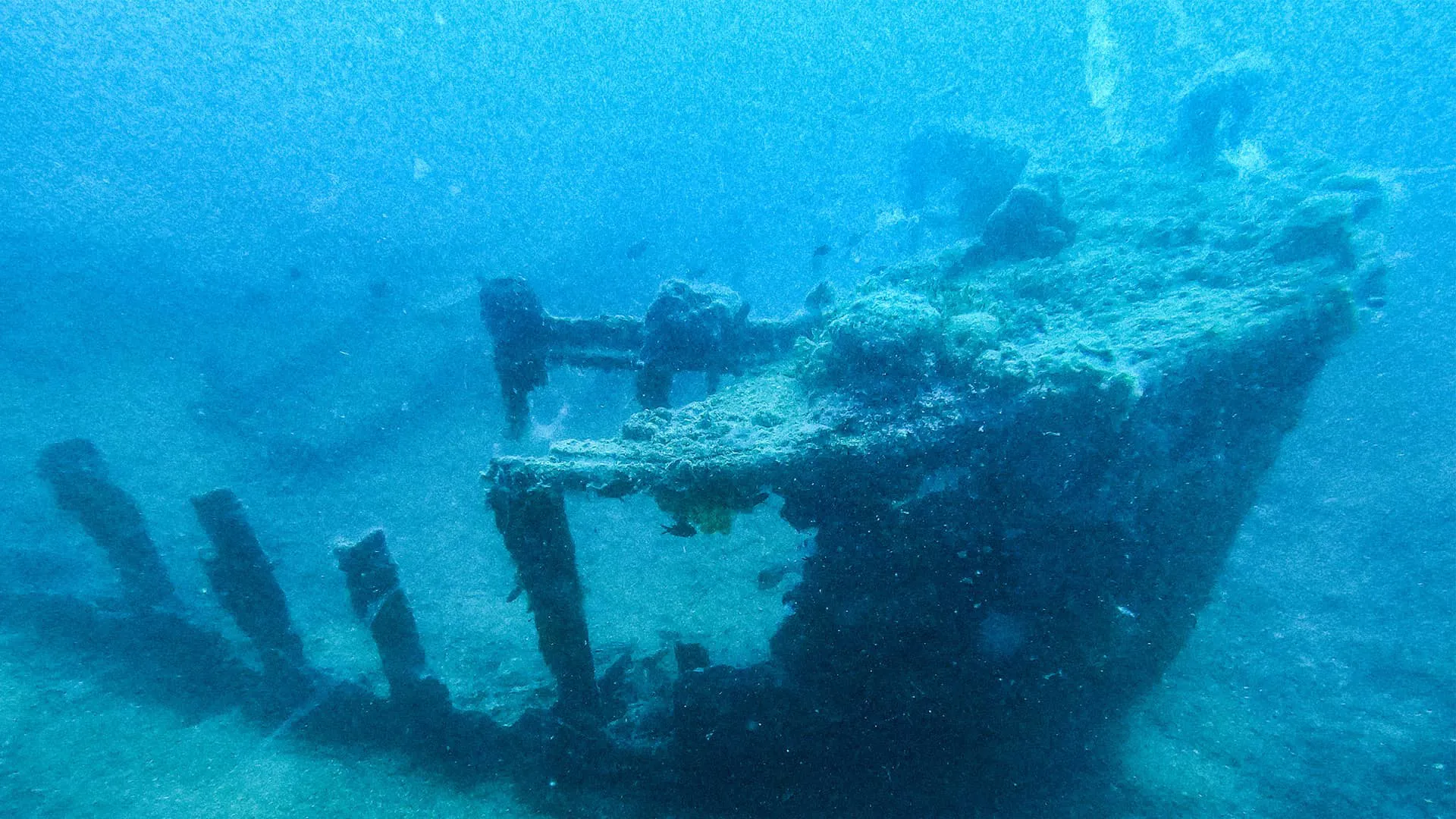
The Majestic ship, tasked with supporting other naval vessels, lies at a depth of 18-23m in the Dardanelles.
Details
Location Seddülbahir
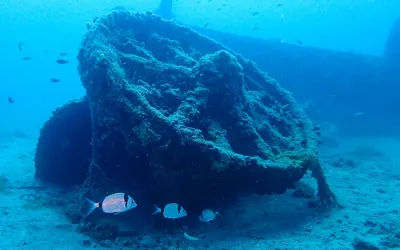
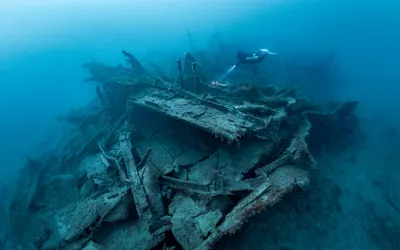
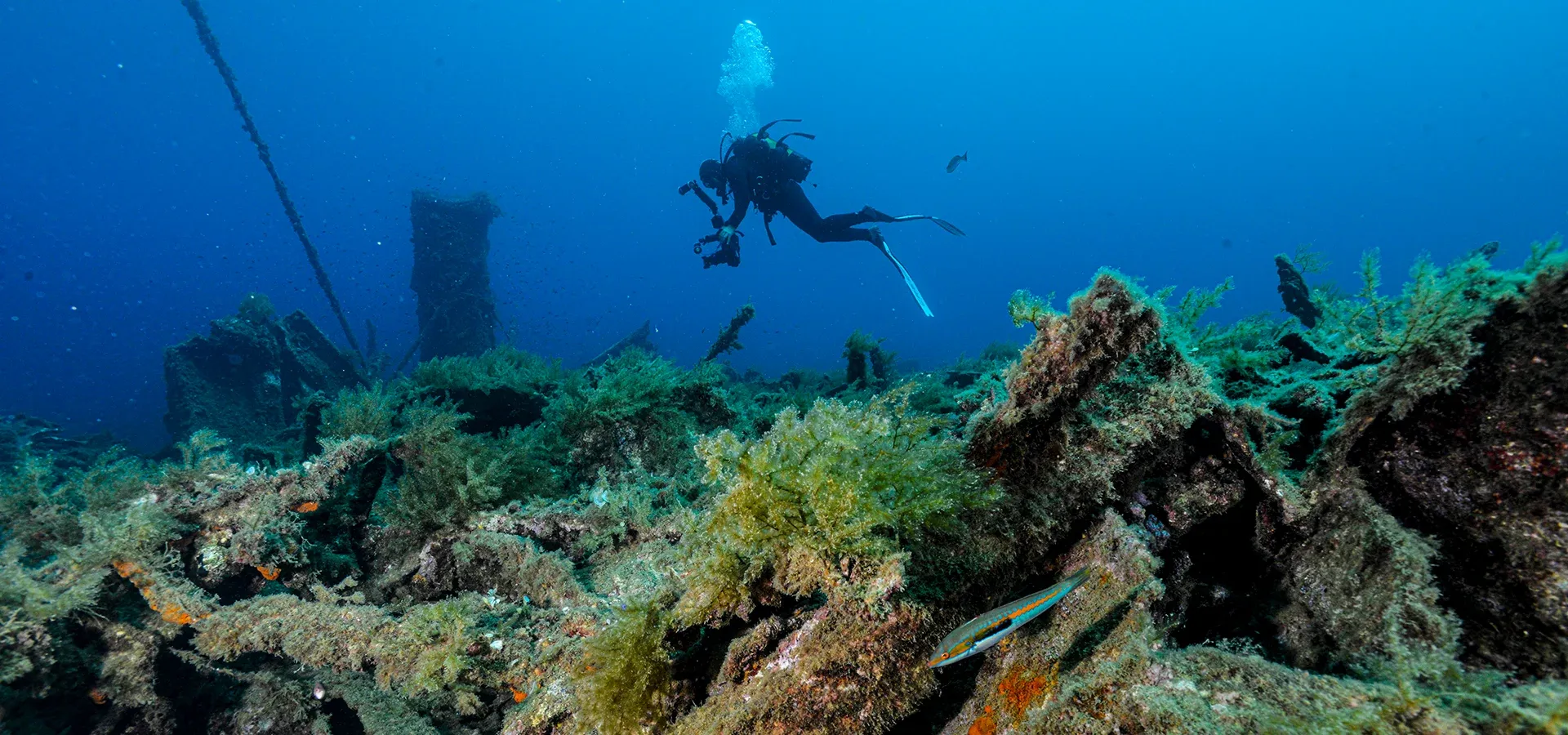
During the landings at Çanakkale, there are two sea vessels used to transport soldiers, supply materials, pier materials, and animals such as horses and mules for the landing. These vessels, referred to as barges, have a flat bottom, are shallow-drafted, have wide hulls, and can be either motorized or non-motorized.
Details
Location Suvla
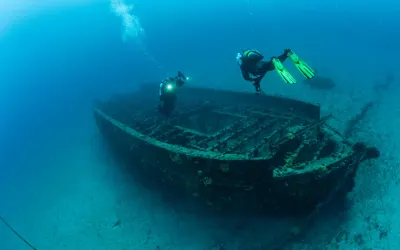
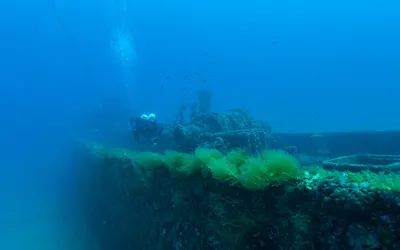
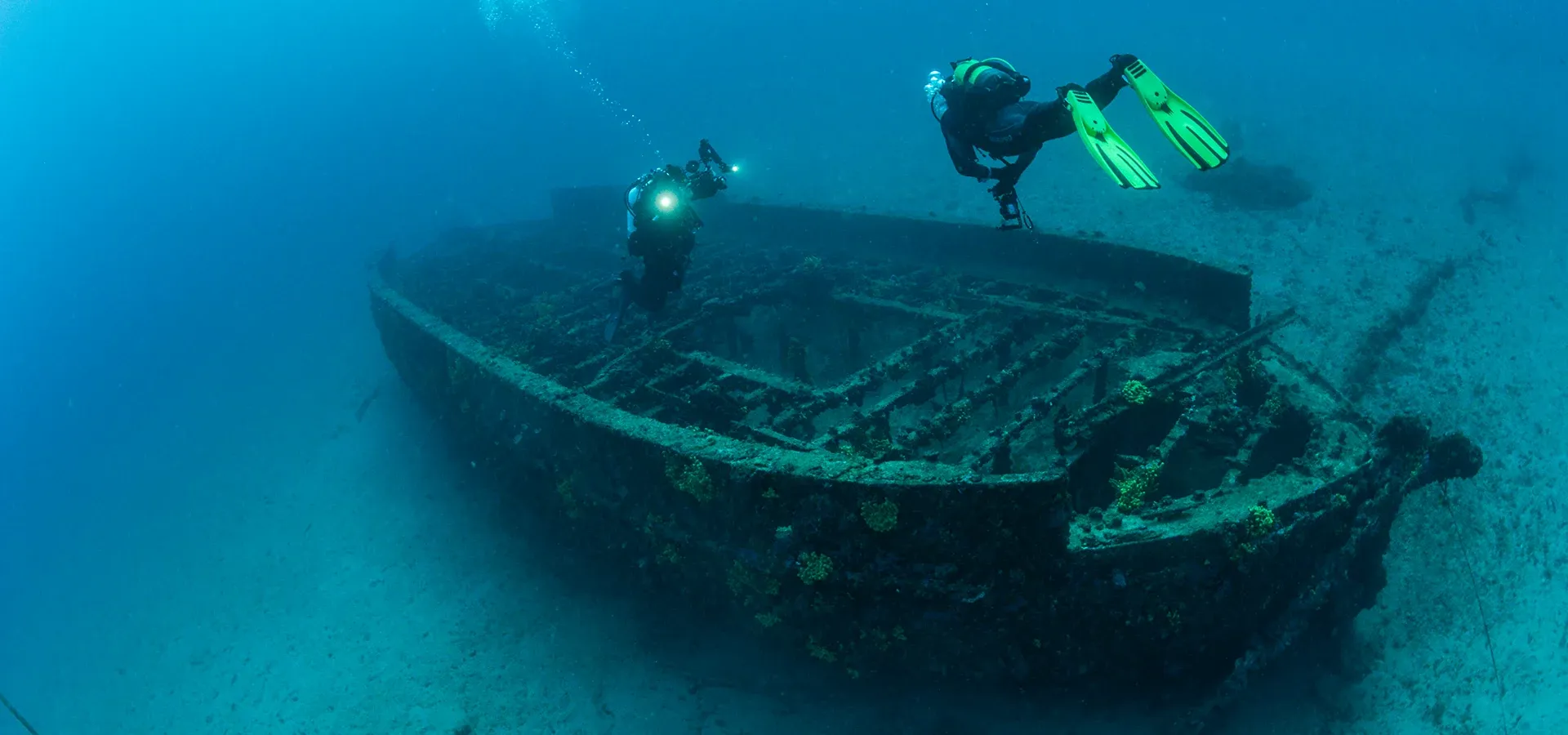
The fishing vessel Lundy, which has a Smith brand machine, measures 33.6 x 6.5 meters. Although it was used for civilian purposes before the Gallipoli Campaign, it was seized when the war broke out and assigned to mine sweeping duties in Gallipoli.
Details
Location Arıburnu
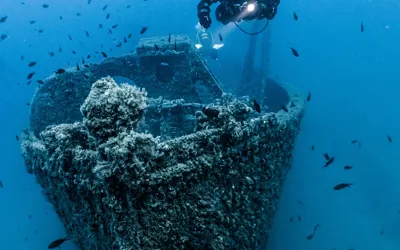
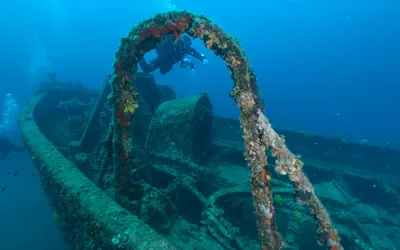
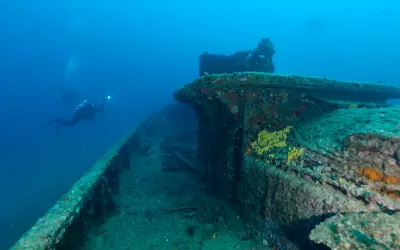
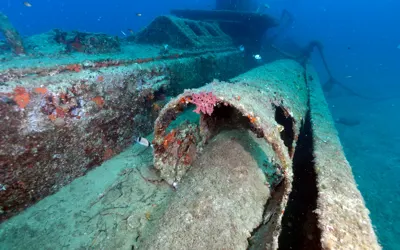
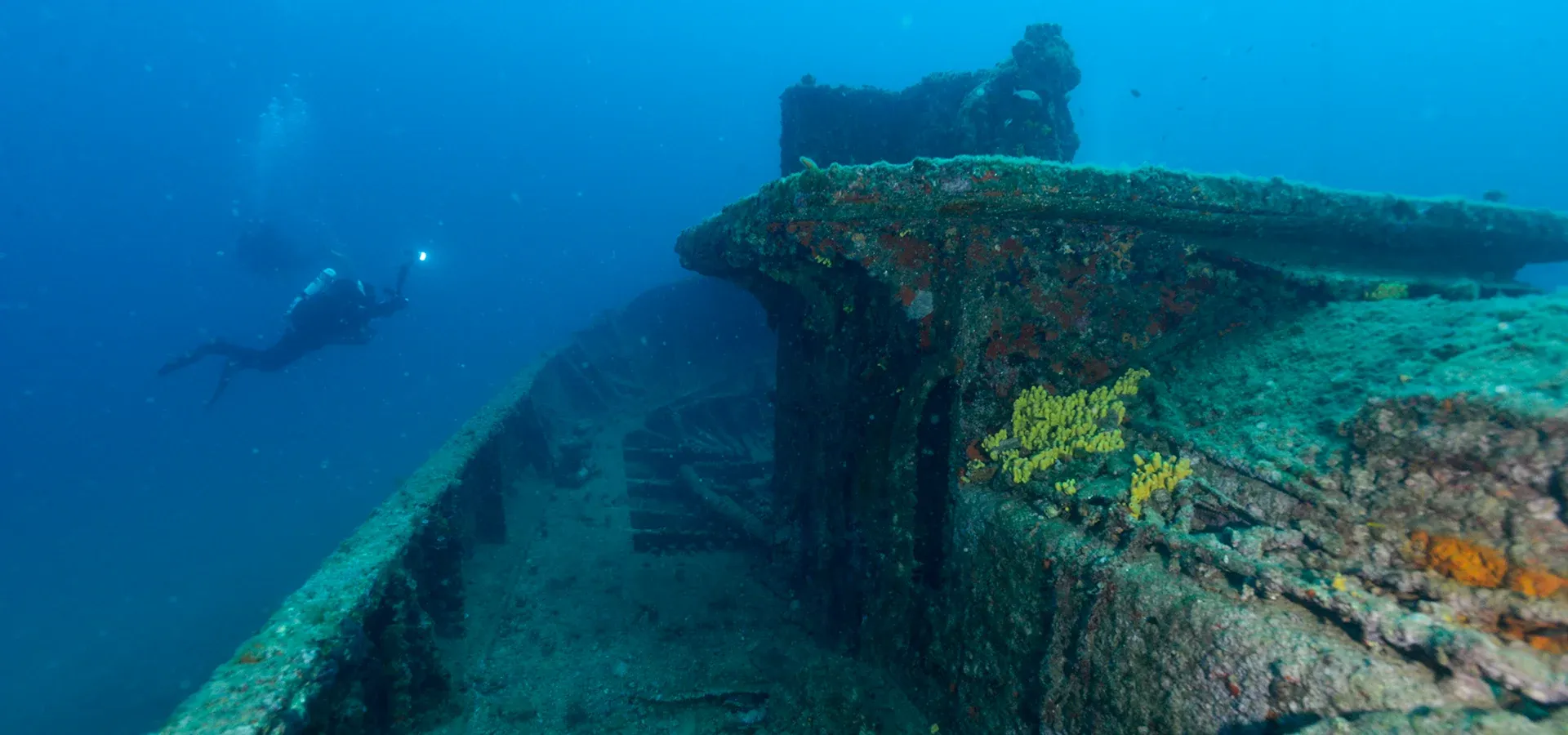
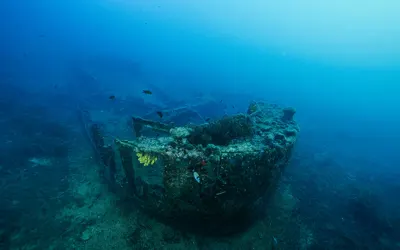
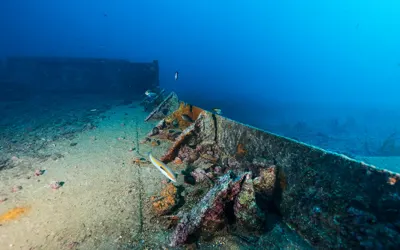
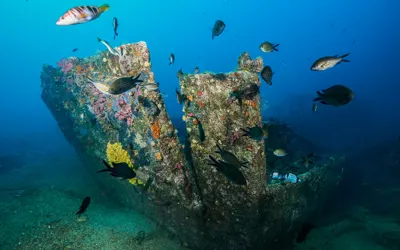
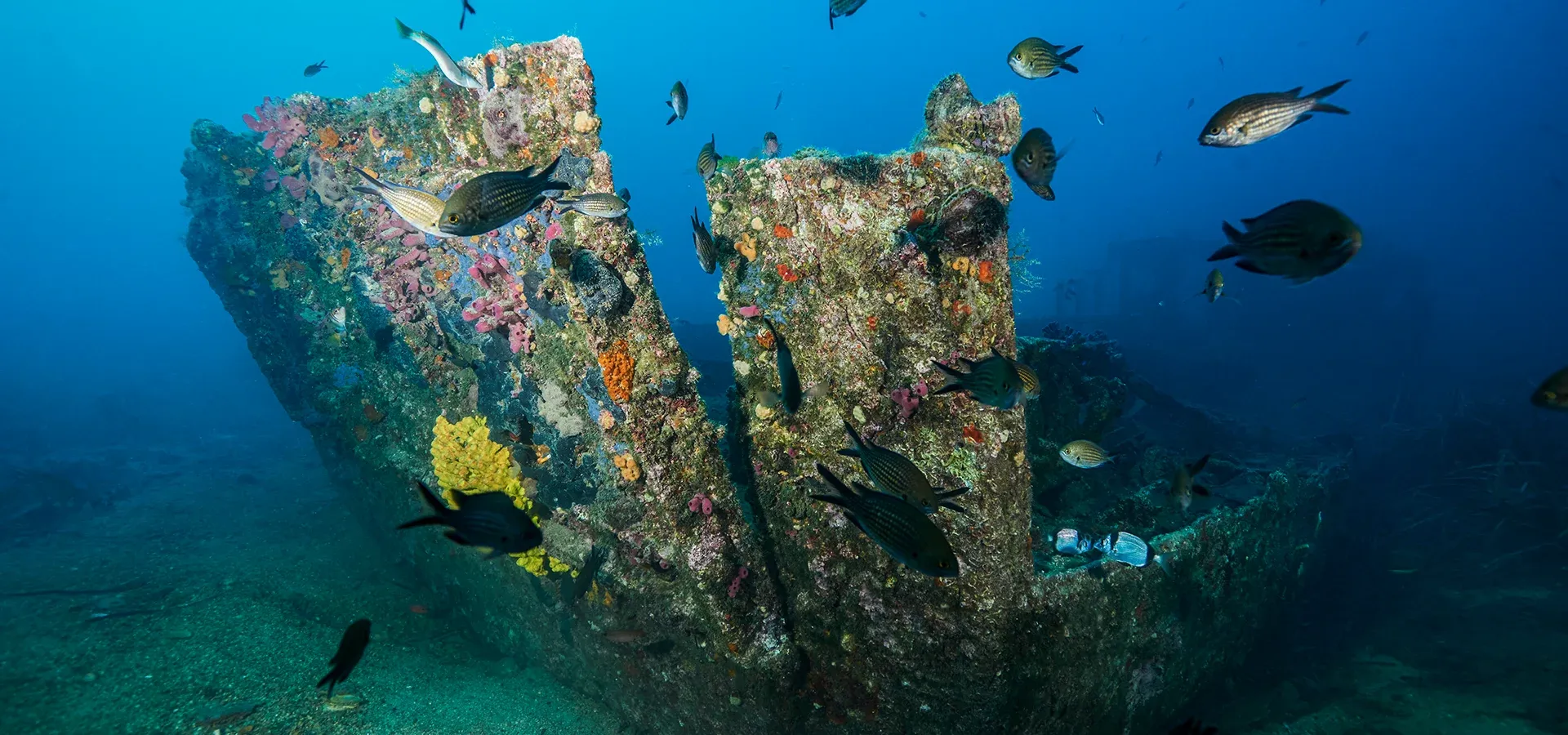
The date and reason for the sinking of the wreck located at a depth of 28.5 meters are unknown. The wooden parts have decayed, while the metal parts have preserved themselves. Its most distinct difference from other wrecks is that it has raised bulwarks.
Details
Location Küçükkemikli
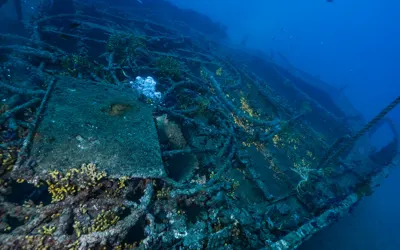
The sinking date and reason of the barge, which is 17.5 meters long and 6 meters wide, are unknown. The wooden parts of the wreck, located at a depth of 30 meters, have decayed, while the metal parts have preserved themselves. It was used during the recovery to ensure that soldiers on transport ships could reach the shore in shallow areas.
Details
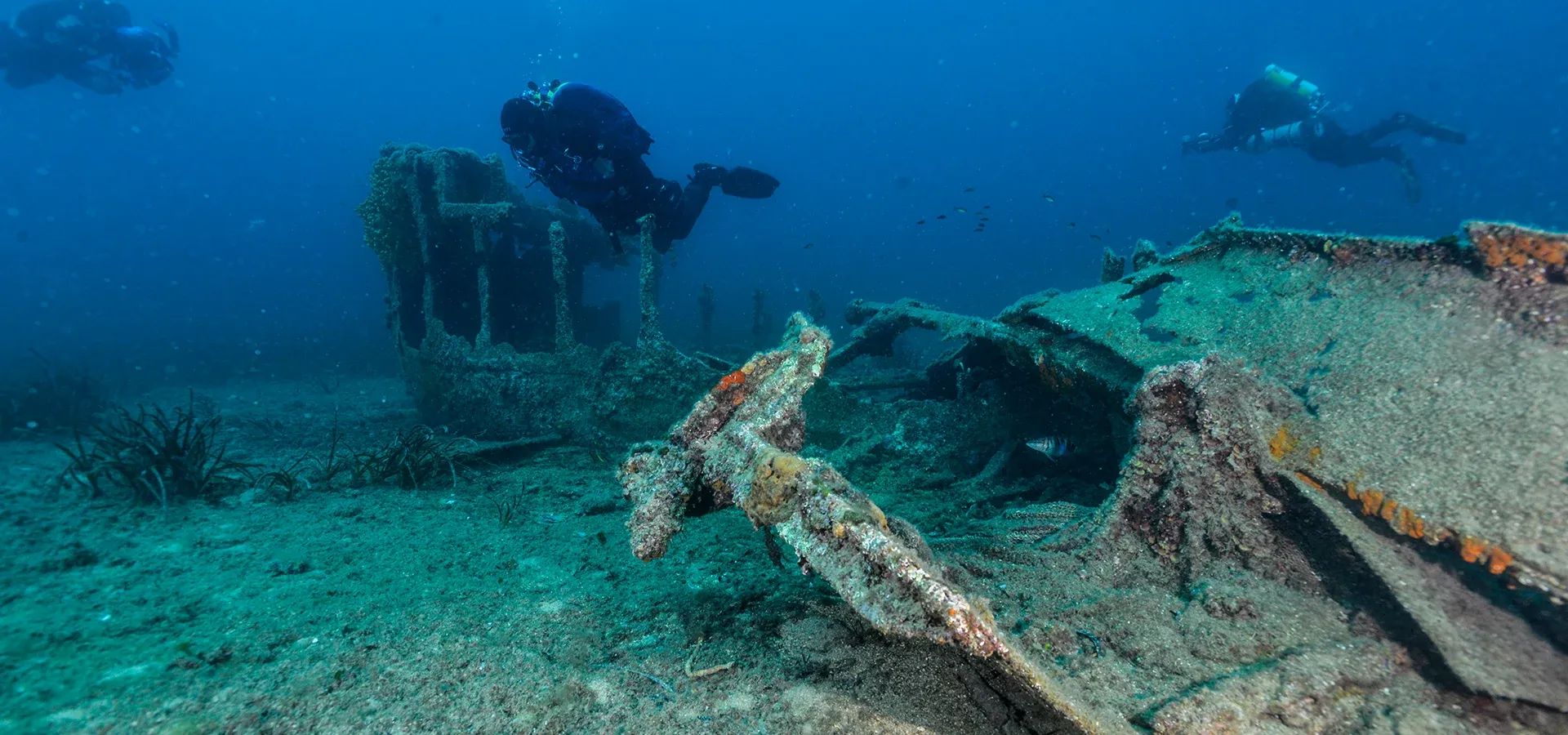
Location Akbaş Cove / Nara Point / Bigalı Castle
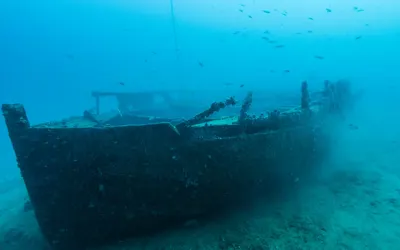
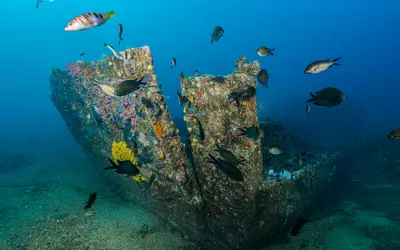
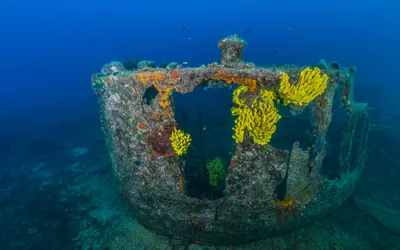
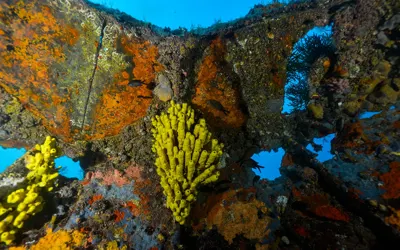
Mania Nets were produced at the Haliç Shipyard to prevent submarines from passing through the straits. One of the 60-meter nets identified in Akbaş Bay is an example of Mania Nets and is still waiting to be discovered by divers 106 years later.
Details
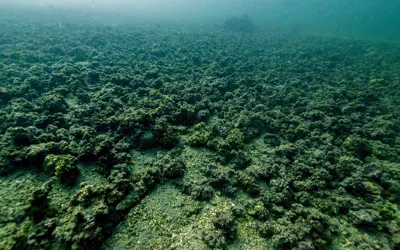
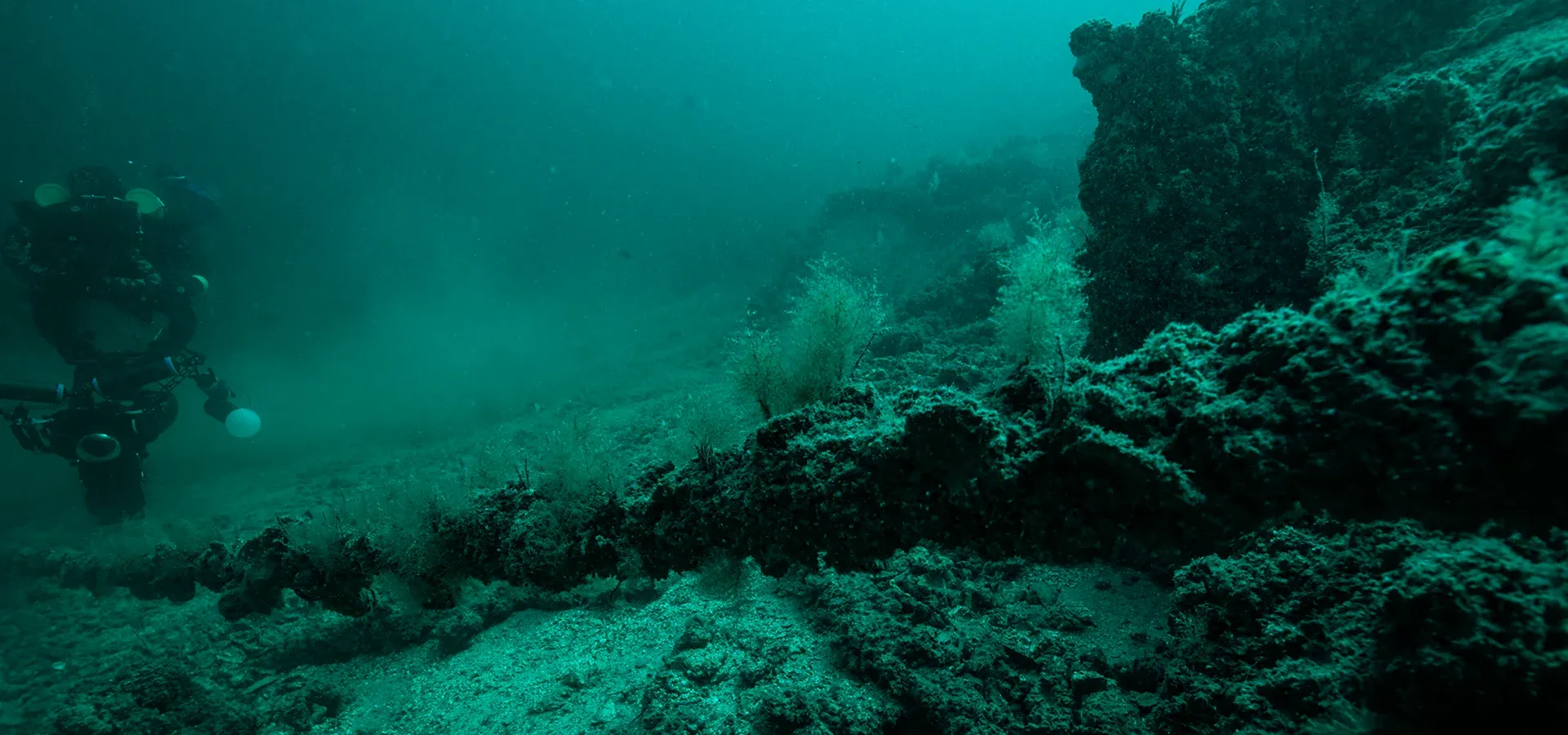
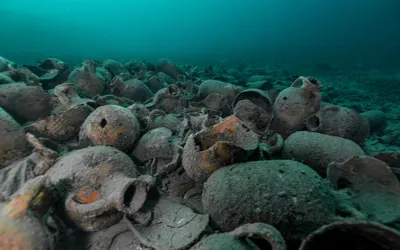
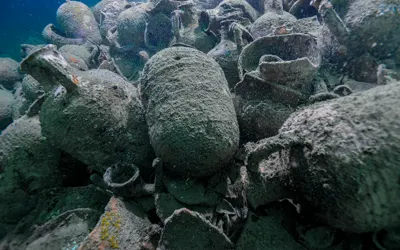
Location Çamburnu Location
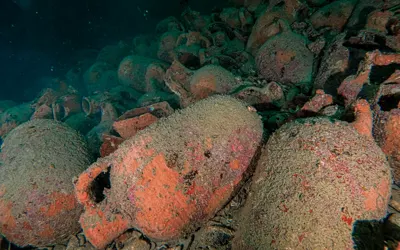
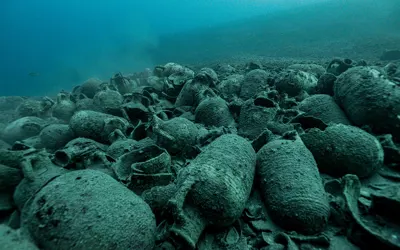
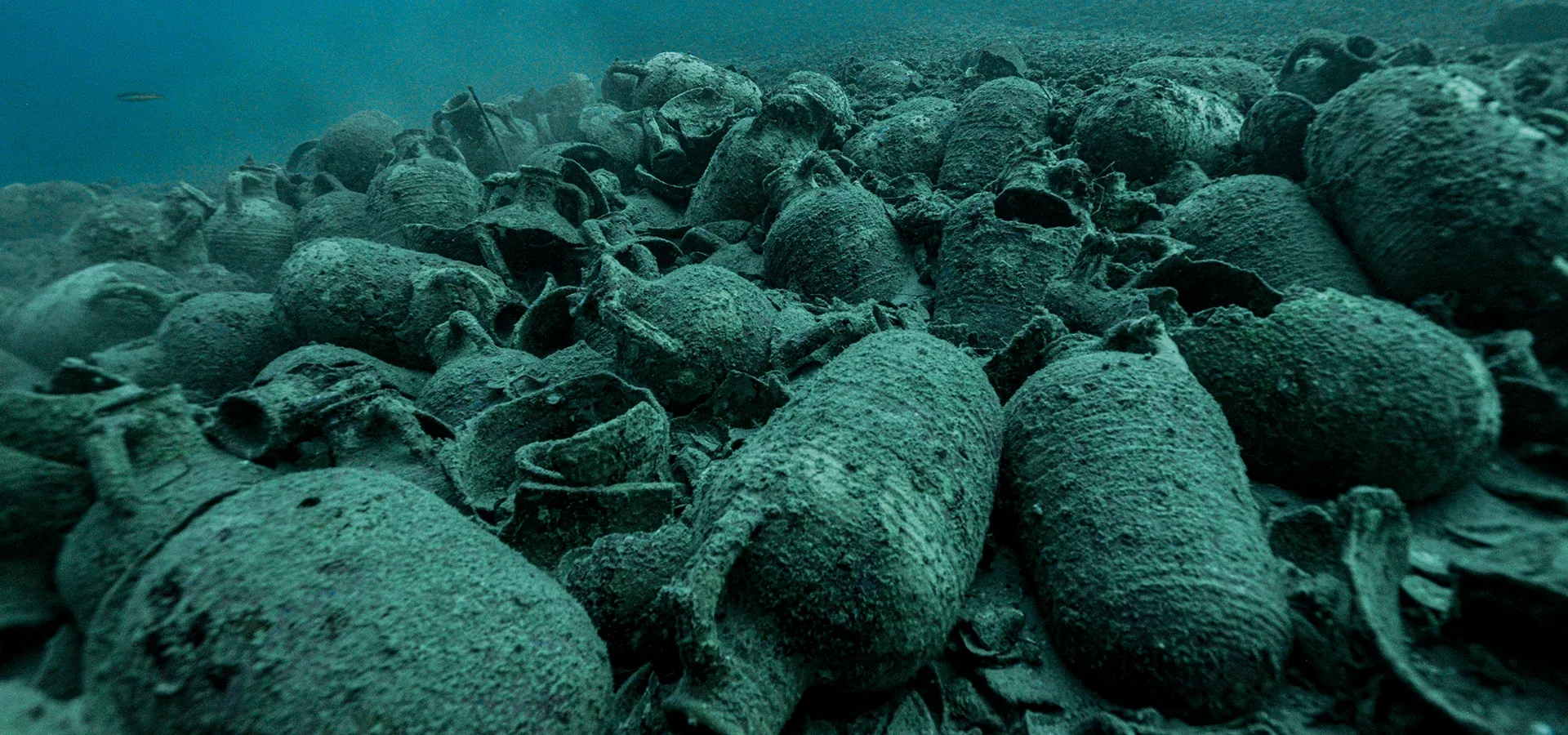
The Amfora Wreck detected off Çamburnu is generally well-preserved. The wreck is considered a concrete indicator of the ongoing ancient maritime trade along the Straits.
Details
Location Arıburnu
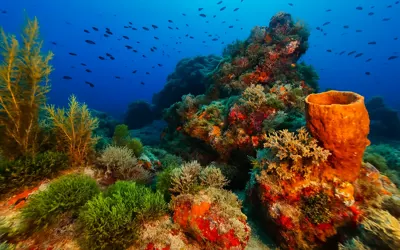
Known in the local diving community as "Shark Rocks," this site consists of natural rock/reef formations and appeals to intermediate and advanced divers. The specified 24–50 m range approaches the limits of technical and deep diving.
Details
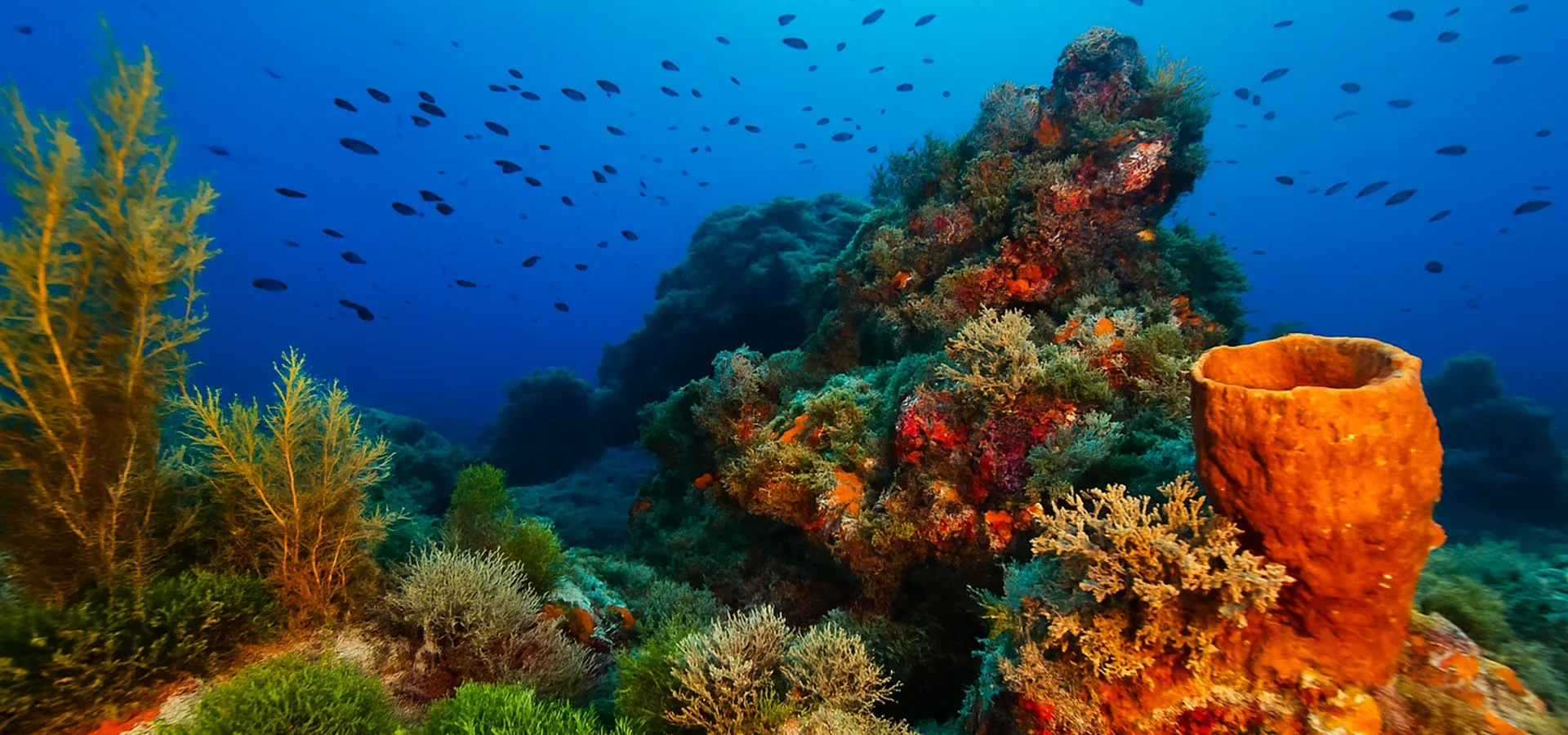
Location Büyük Kemikli Mevkii
This unique place, where Halley's comet was first seen in history, also hosts numerous dive spots that diving enthusiasts will definitely want to see.
Details
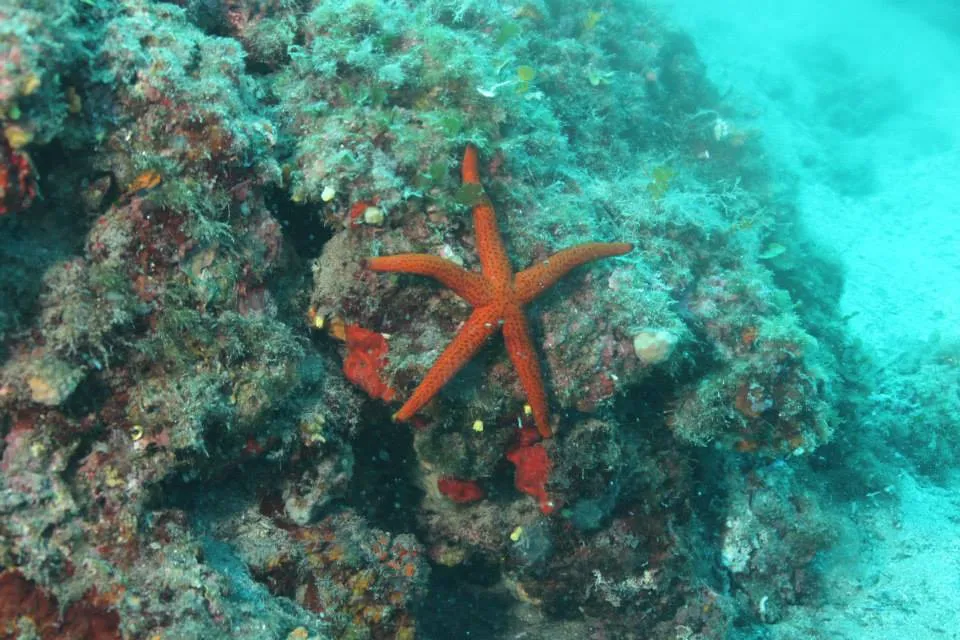
Location Pools
Franco is a Greek-flagged cargo ship carrying asphalt raw material. Due to the current, there is a high level of activity around the wreck, which is an area where experienced divers can dive.
Details
Location Ariburnu / Suvla
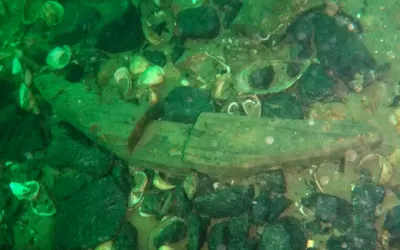
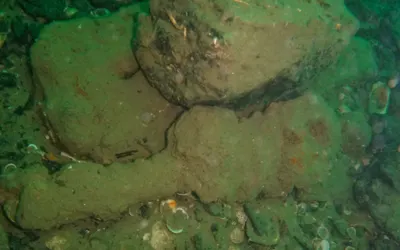
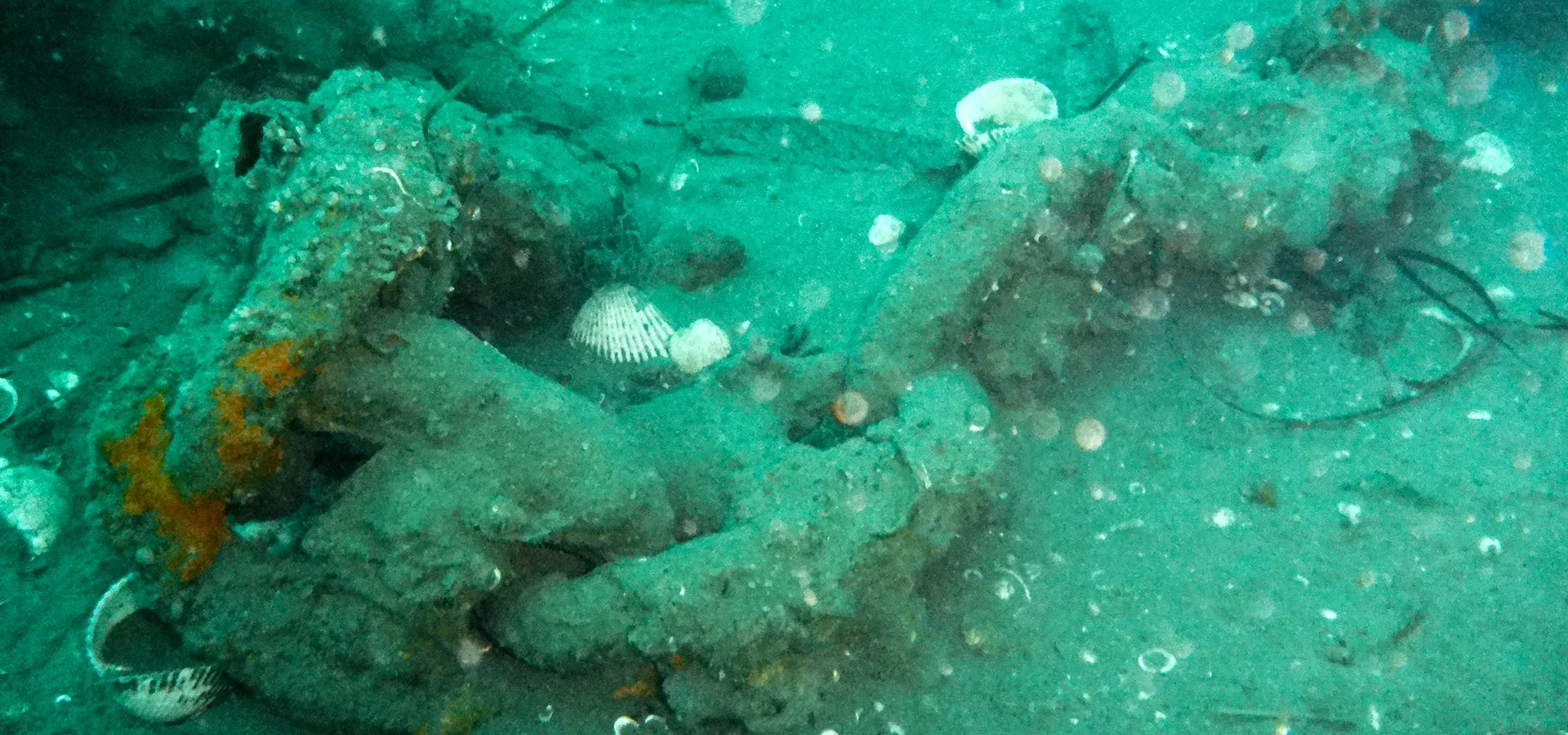
The Ters Barç, located at a depth of 54 meters in the Arıburnu / Suvla region, is 17.4 meters long and 6.5 meters wide. Its body is made of steel and it has a total of 27 posts (hull framework).
Details
Location Twin Cove
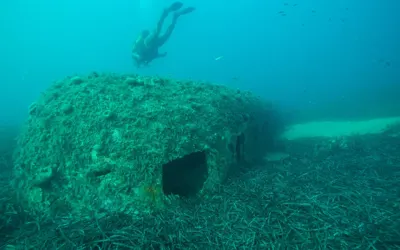
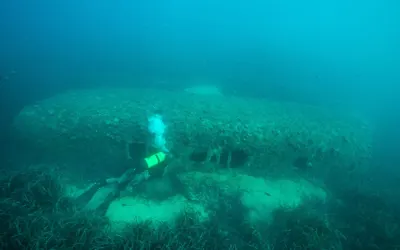
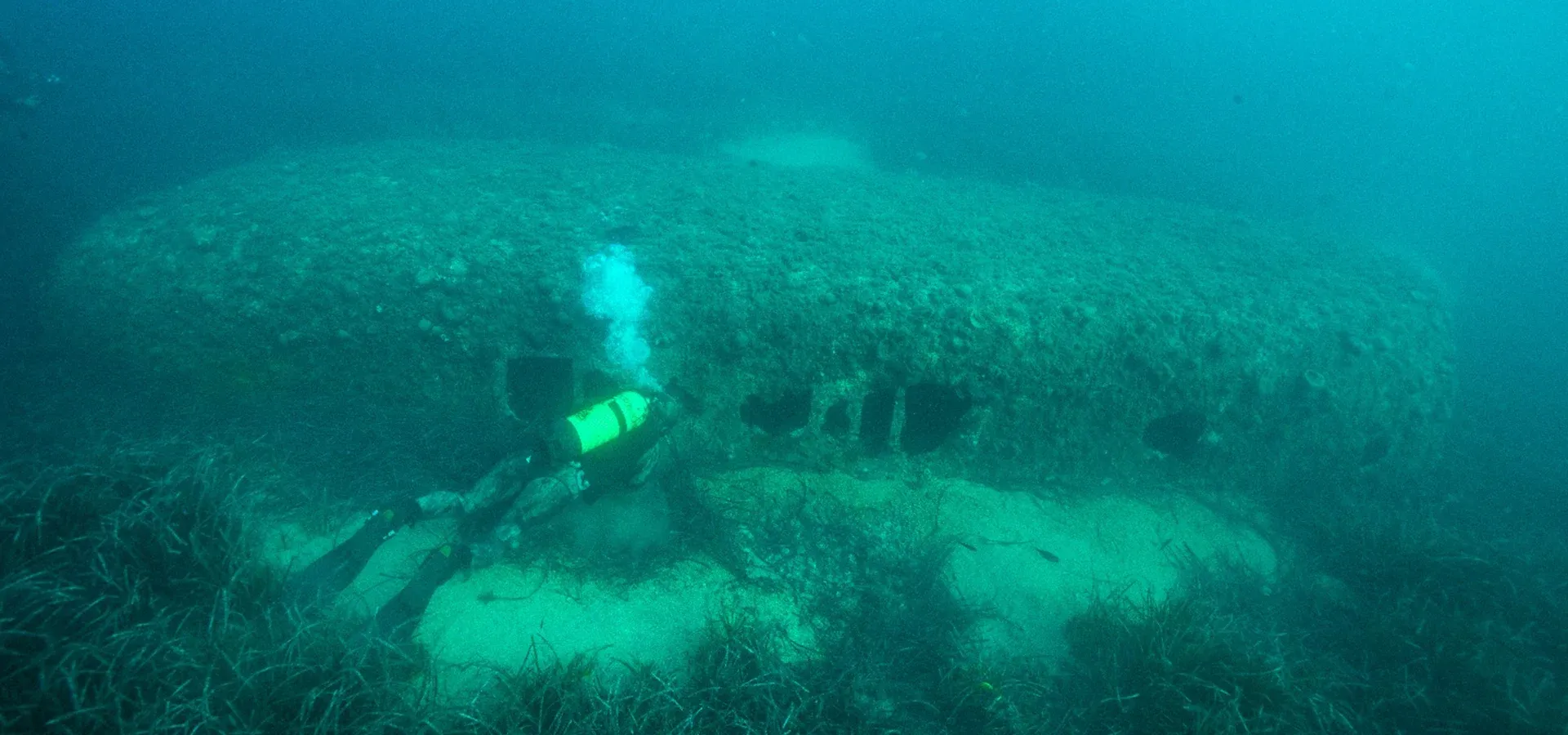
The Mine Sweeper, originally a trawler, was converted into a mine search vessel by the British during World War I. The reason for its sinking is associated with mines in the area; the wreck lies flat at a depth of 58 meters.
Details
Location Kabatepe
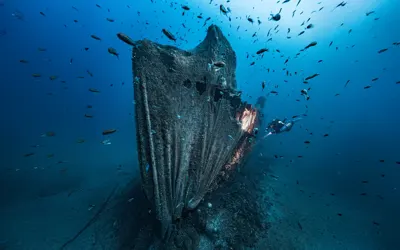
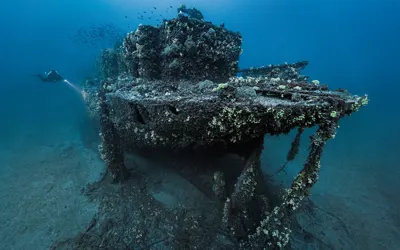
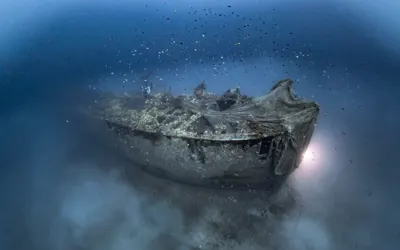
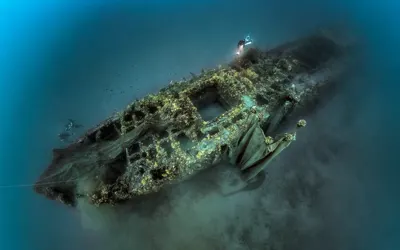
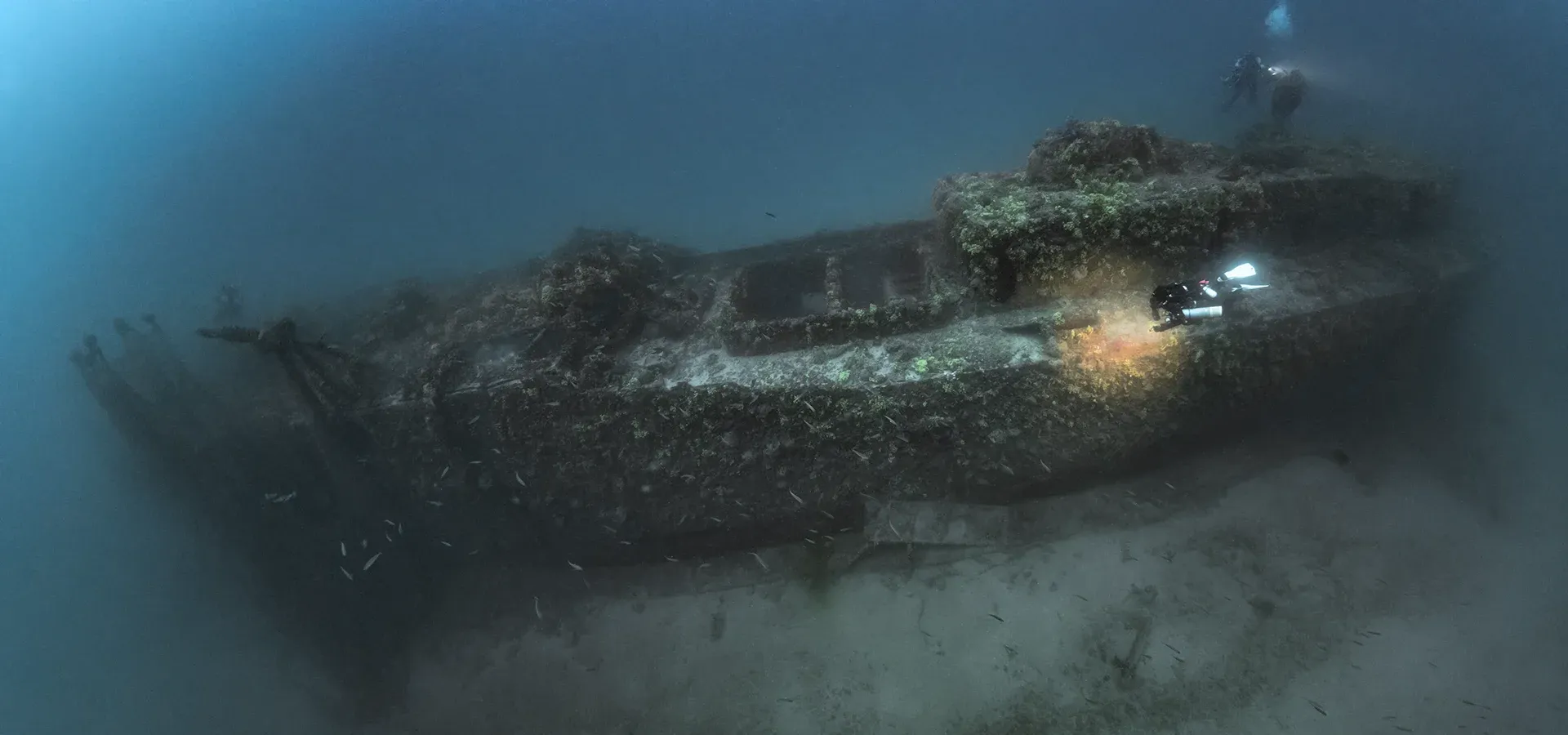
The HMS TRIUMPH, a Swiftsure-class battleship of the British Navy, arrived at the straits in 1915 to participate in the Gallipoli operation. On May 25, 1915, while bombarding Kaba Tepe, it was torpedoed and sunk by the German submarine U-21 in an hour and a half, along with its 73 crew members.
Details
Location Karaburun
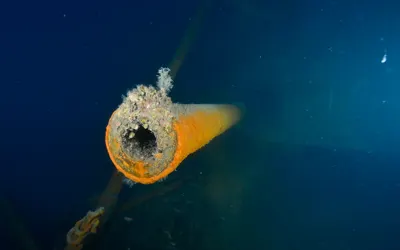
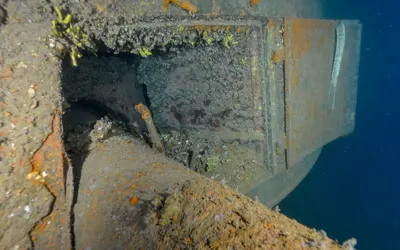
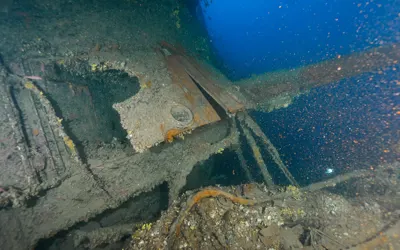
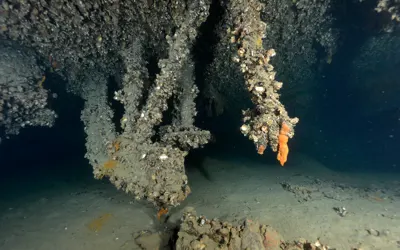
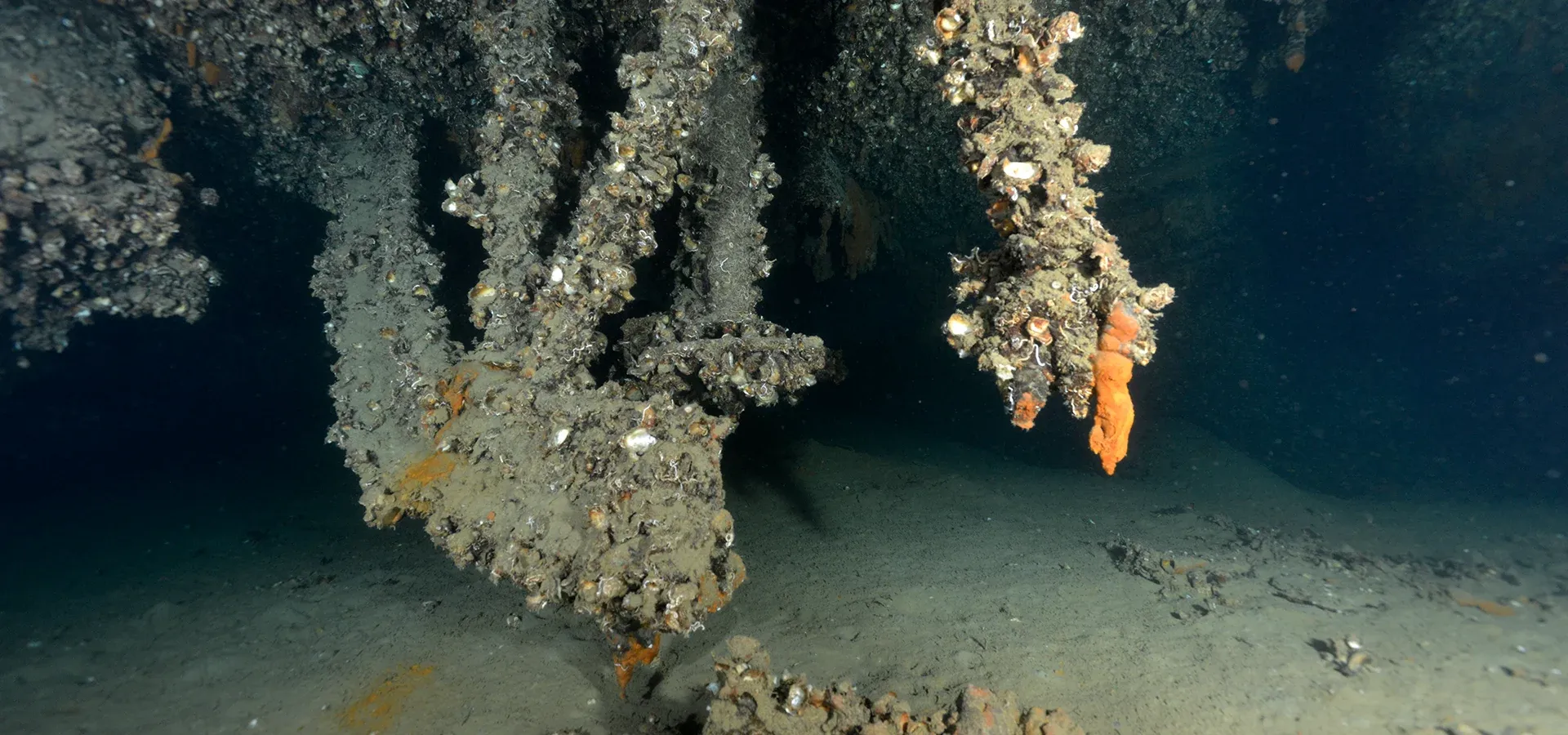
The HMAS AE2 submarine, which entered service in 1914, was the first submarine to cross the Dardanelles and reach the Sea of Marmara during World War I. After contact with the Sultanhisar torpedo boat on April 30, 1915, mechanical problems arose, the crew abandoned the ship, and it was sunk by the order of Commander Henry Stoker.
Details
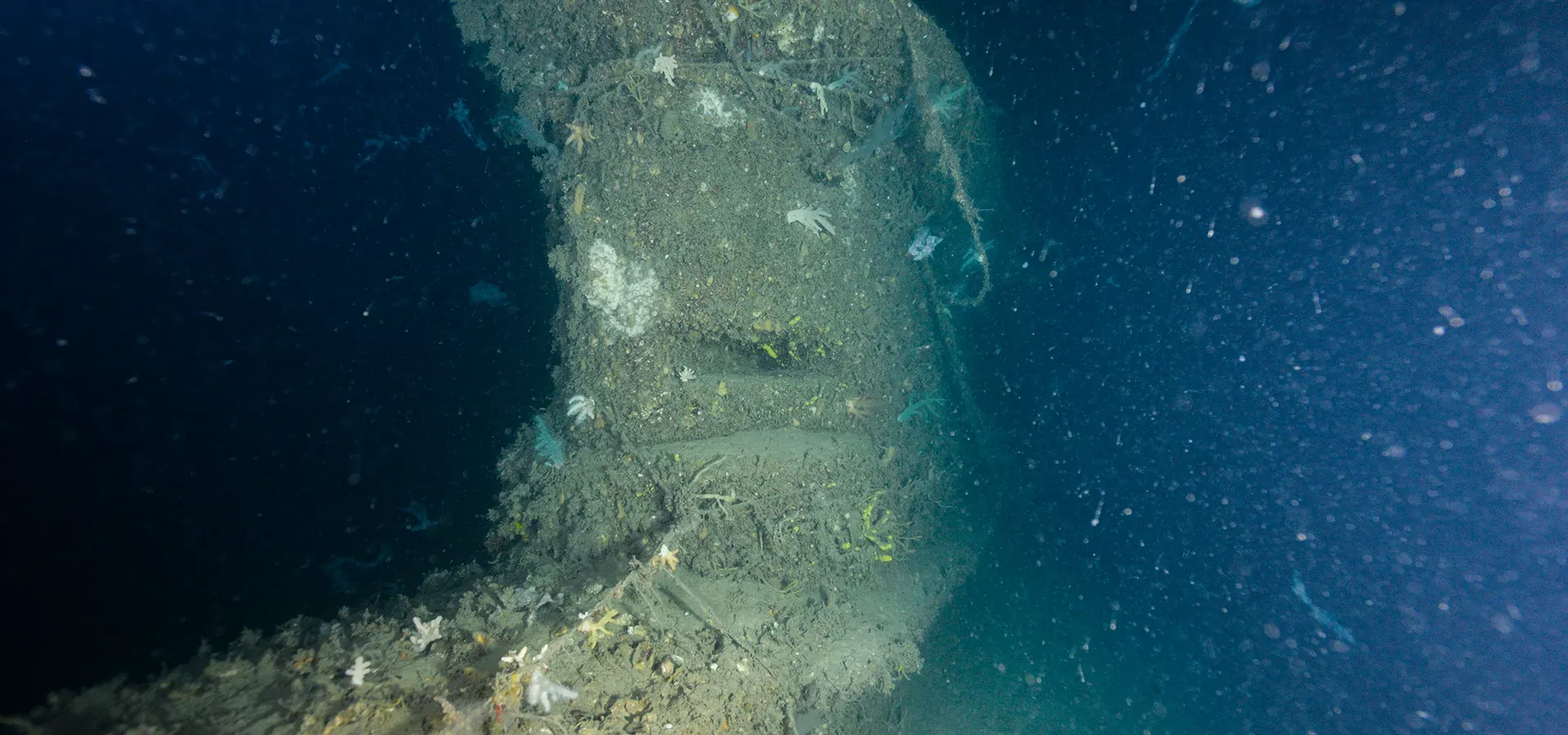
Location Aegean Sea
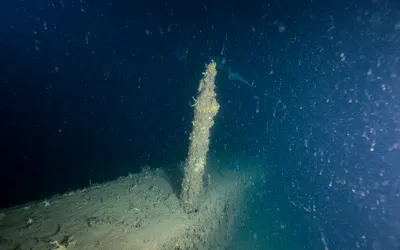
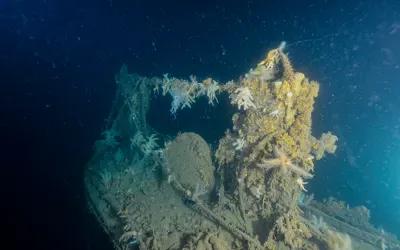
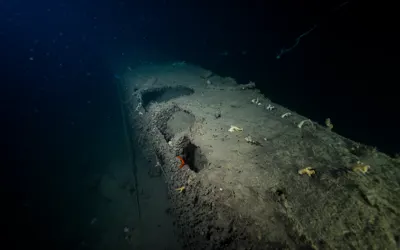
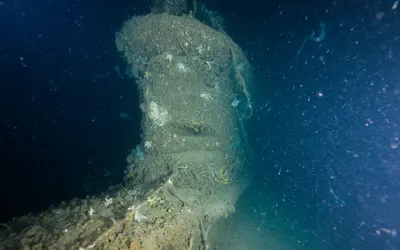
The HMS Hythe, built in 1905, was constructed as a civilian ferry and was converted into an auxiliary minesweeper by the Royal Navy in 1914. The wreck, which is one of the important points for wreck diving in Turkey, is located at a depth of approximately 72 m.
Details
Location Gokceada / Imbros
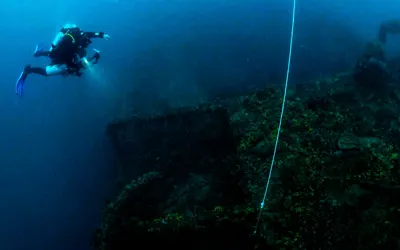
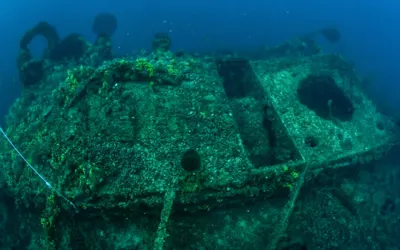
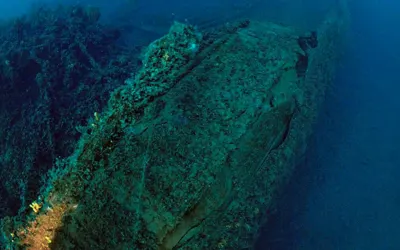
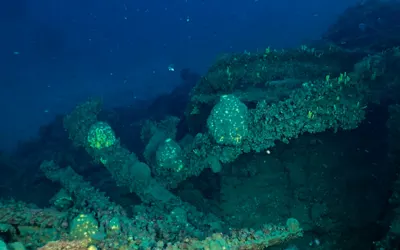
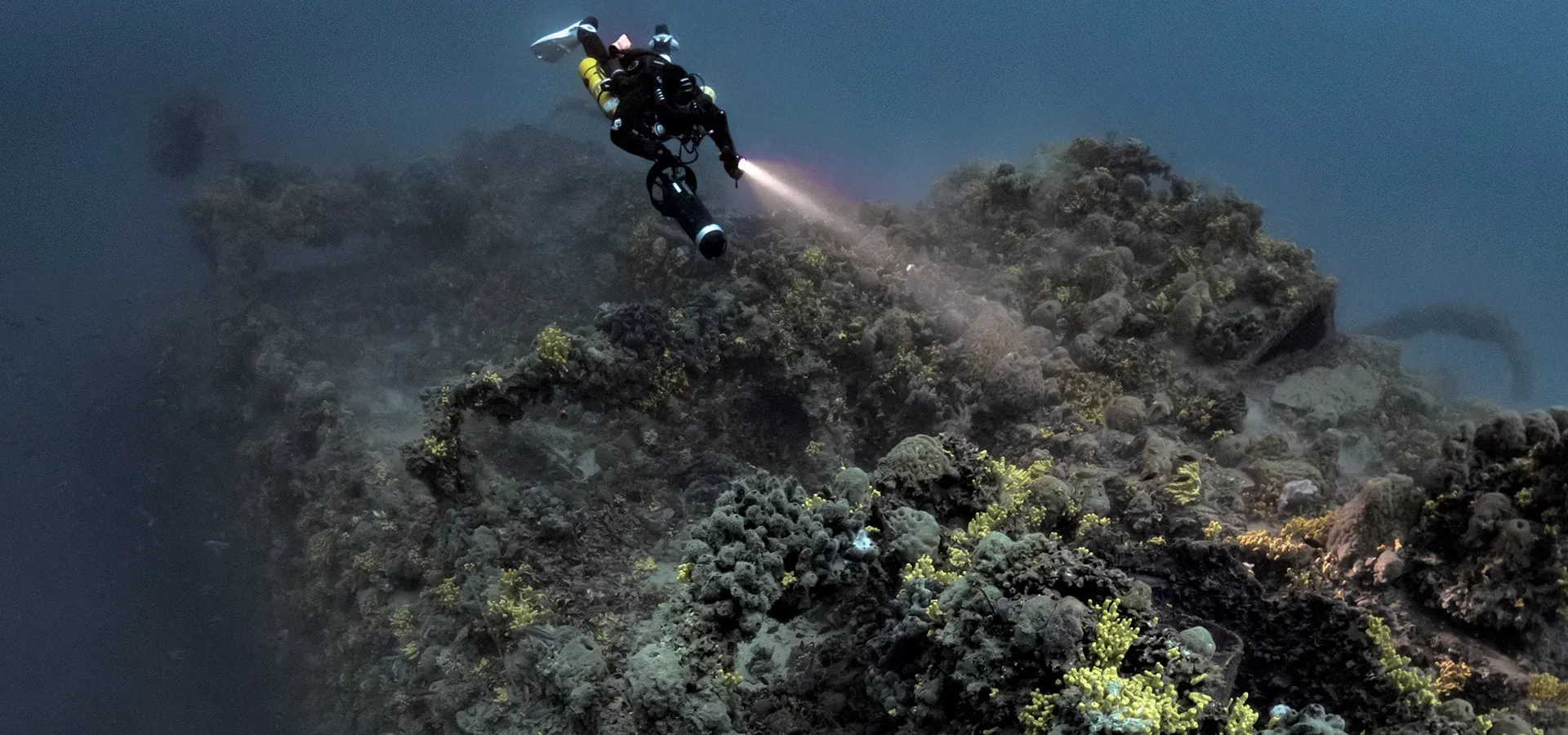
SMS Breslau is among the Magdeburg-class light cruisers of the German Imperial Navy. The ship, which entered service in 1912, was transferred to the Ottoman Navy in August 1914 under the name 'Midilli'.
Details
Location Aegean Sea
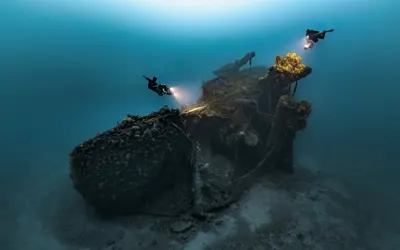
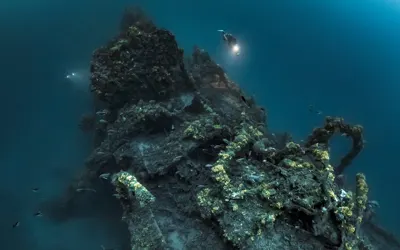
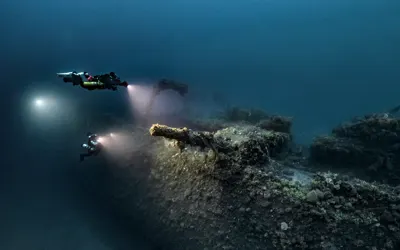
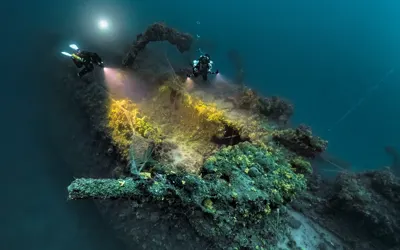
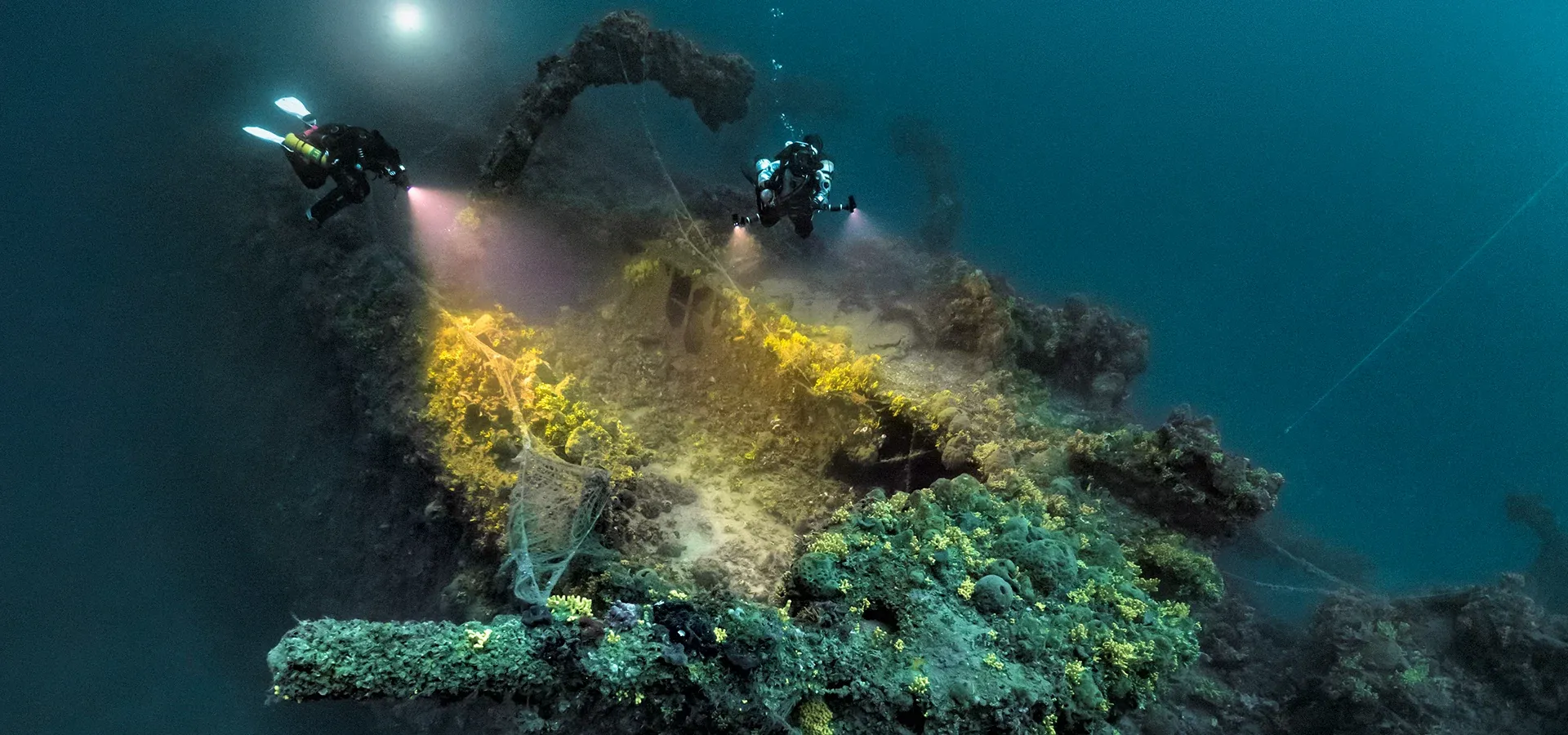
The Atılay Submarine, a member of the A class, was built at Germaniawerft in Kiel. Launched in 1938 and commissioned on May 19, 1939, the ship features a length of 80 m, a width of approximately 6.6 m, and diesel-electric propulsion.
Details
Location Seddülbahir
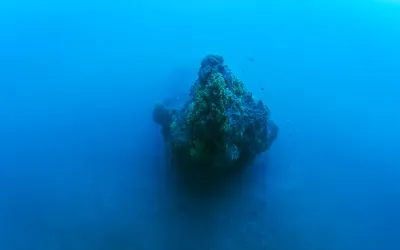
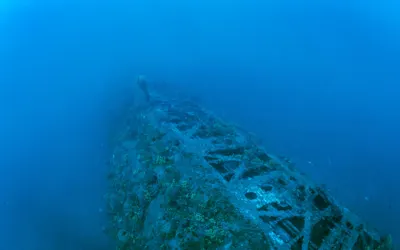
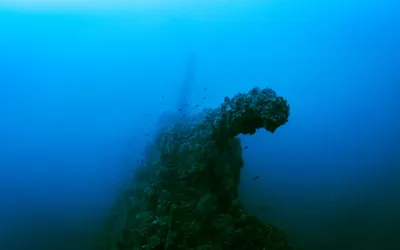
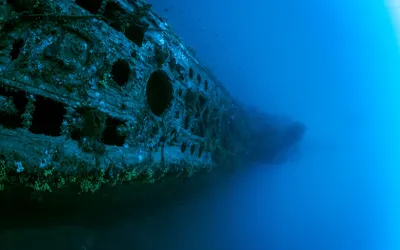
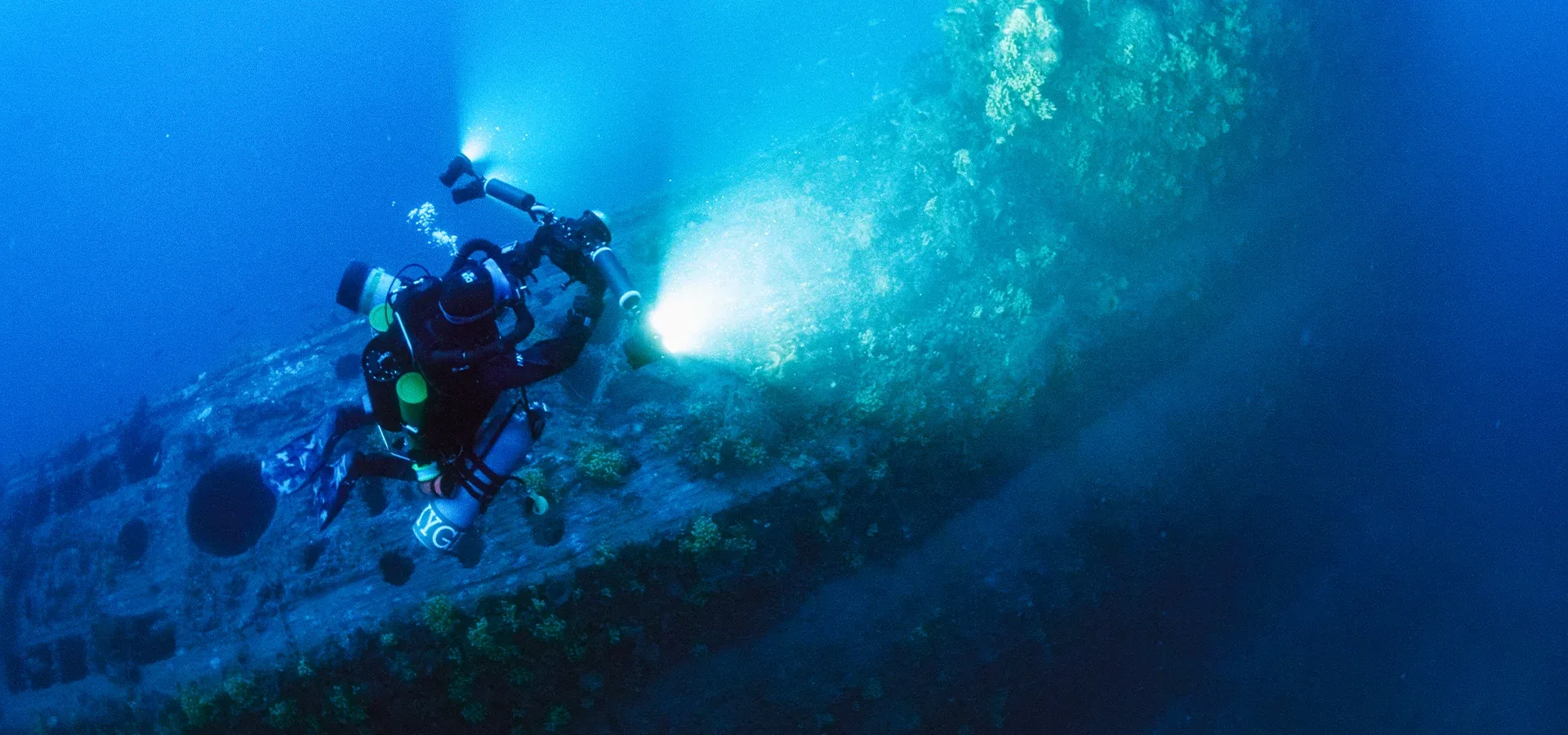
The SS Carthage, a passenger-cargo ship of ~5,600 GRT, was armed and used for transport duties in the service of the French Navy during the war. On July 4, 1915, the ship was torpedoed and sunk by U-21 approximately 2 nautical miles off Seddülbahir.
Details




 Scroll